Where’s the Beef?
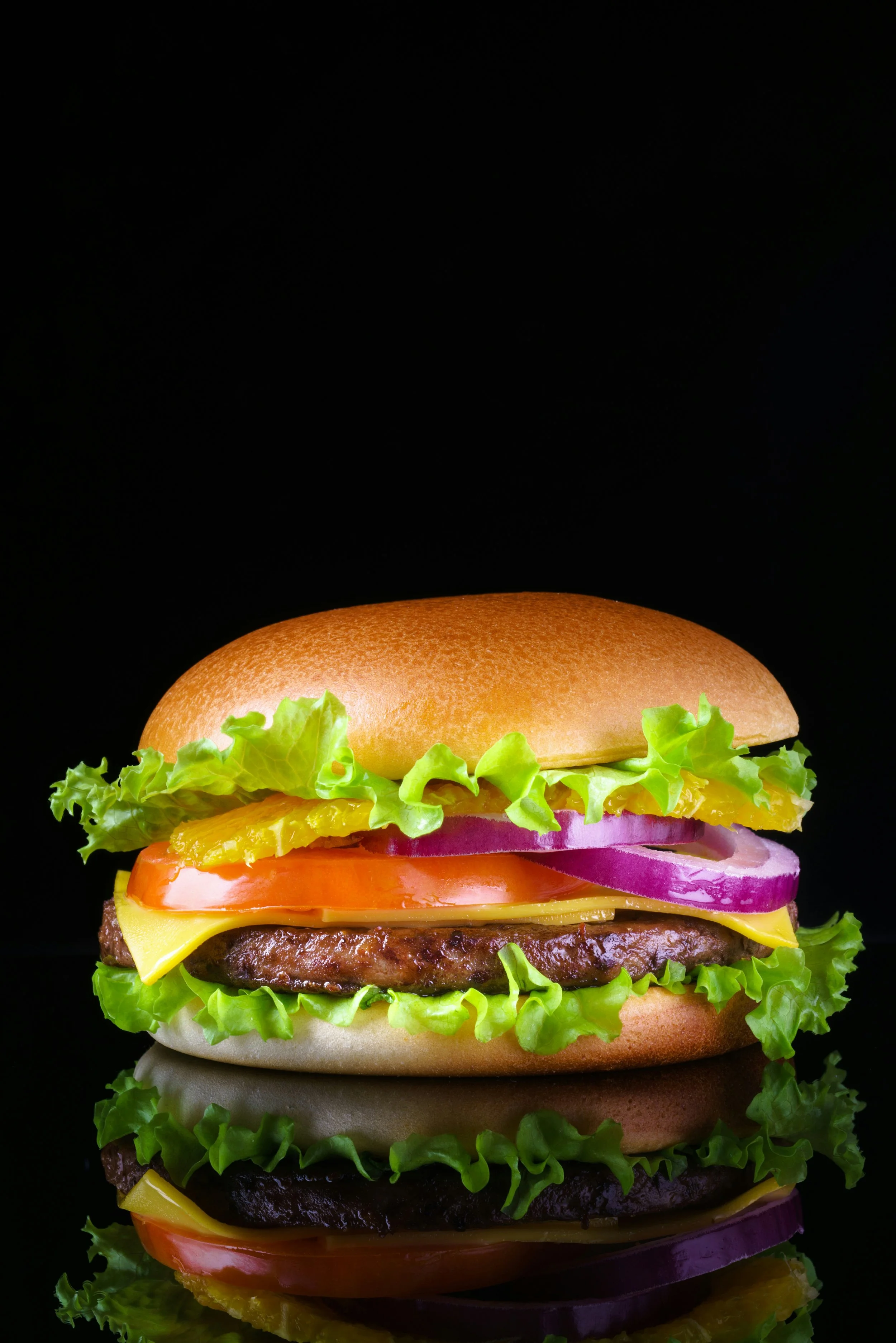
Back in my agency days, we used to talk about Wendy's "Where's the Beef?" campaign the way musicians talk about a perfect three-chord song.
Three old ladies, a sad little bun, and one furious catchphrase. It ran for about eighteen months and made Clara Peller more famous than most sitting senators. It worked because it asked a simple question and trusted the audience to feel the absence themselves. You didn't need to explain what was missing. You just needed to point at the empty space where it should have been.
I mention this because forty years later, America has found itself asking a version of that question again, except this time nobody in Washington seems willing to answer it.
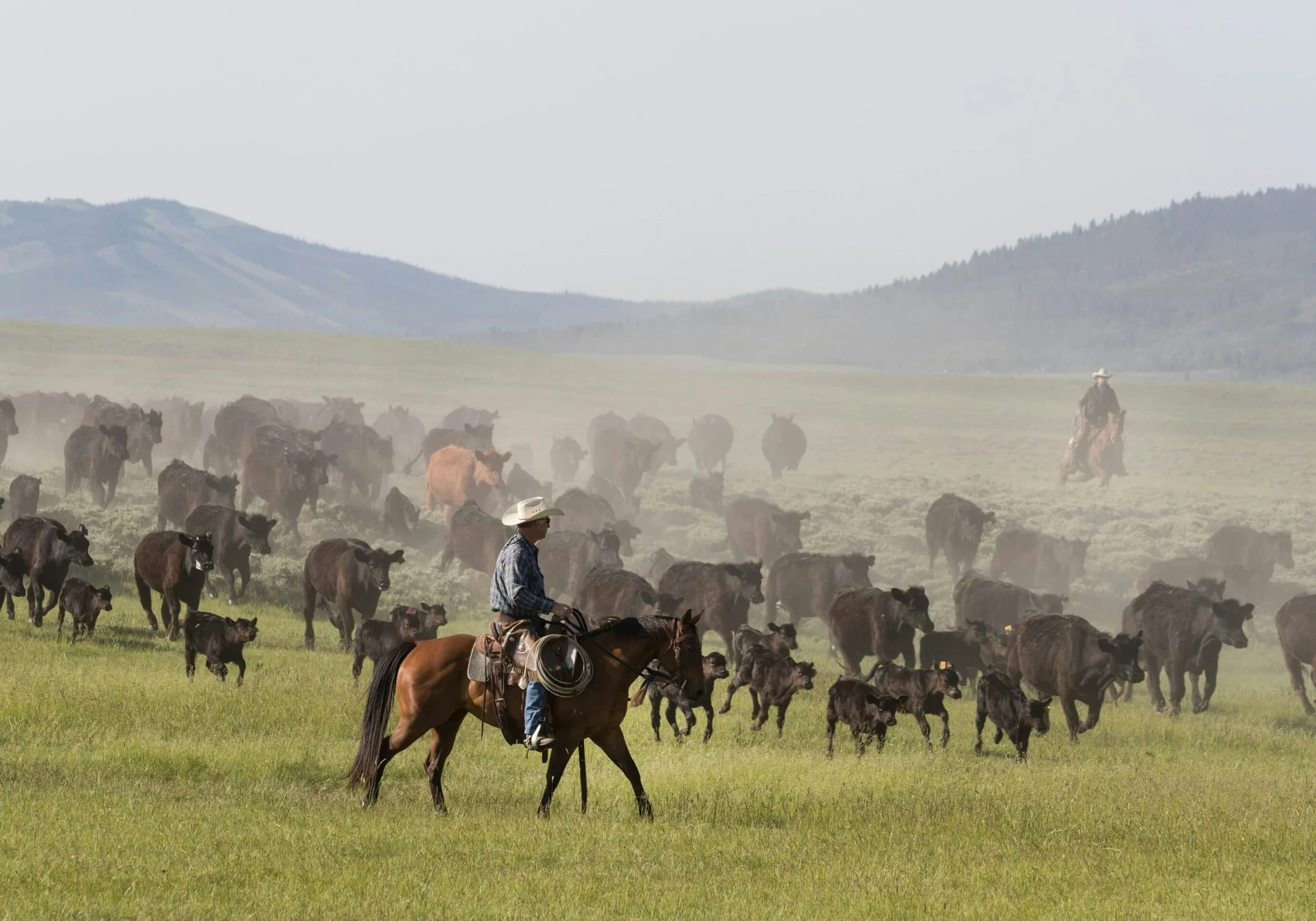
What Americans do know is that beef prices are up by around 15% over the past year. The reason is that the national cattle herd is the smallest it's been in generations, the ongoing drought, and the tariffs, or whatever mix of excuses is politically convenient this week.
Of course, the cattle farmer-in-chief’s solution to a domestic beef shortage was, naturally, to go shopping abroad, we think in Argentina, where else? This is the fiscally strapped country he recently propped up with a currency support package that started at $20 billion and was cheerfully doubled to $40 billion by his own Treasury Secretary, on the grounds that his friend Javier Milei's economy was "fighting for its life."
To make matters clear, let’s examine the sequence: a struggling foreign government receives $40 billion in American support. The struggling foreign government's beef is then spirited into the United States tariff-free, undercutting American ranchers who did not receive $40 billion, $40, or a fruit basket, for that matter.
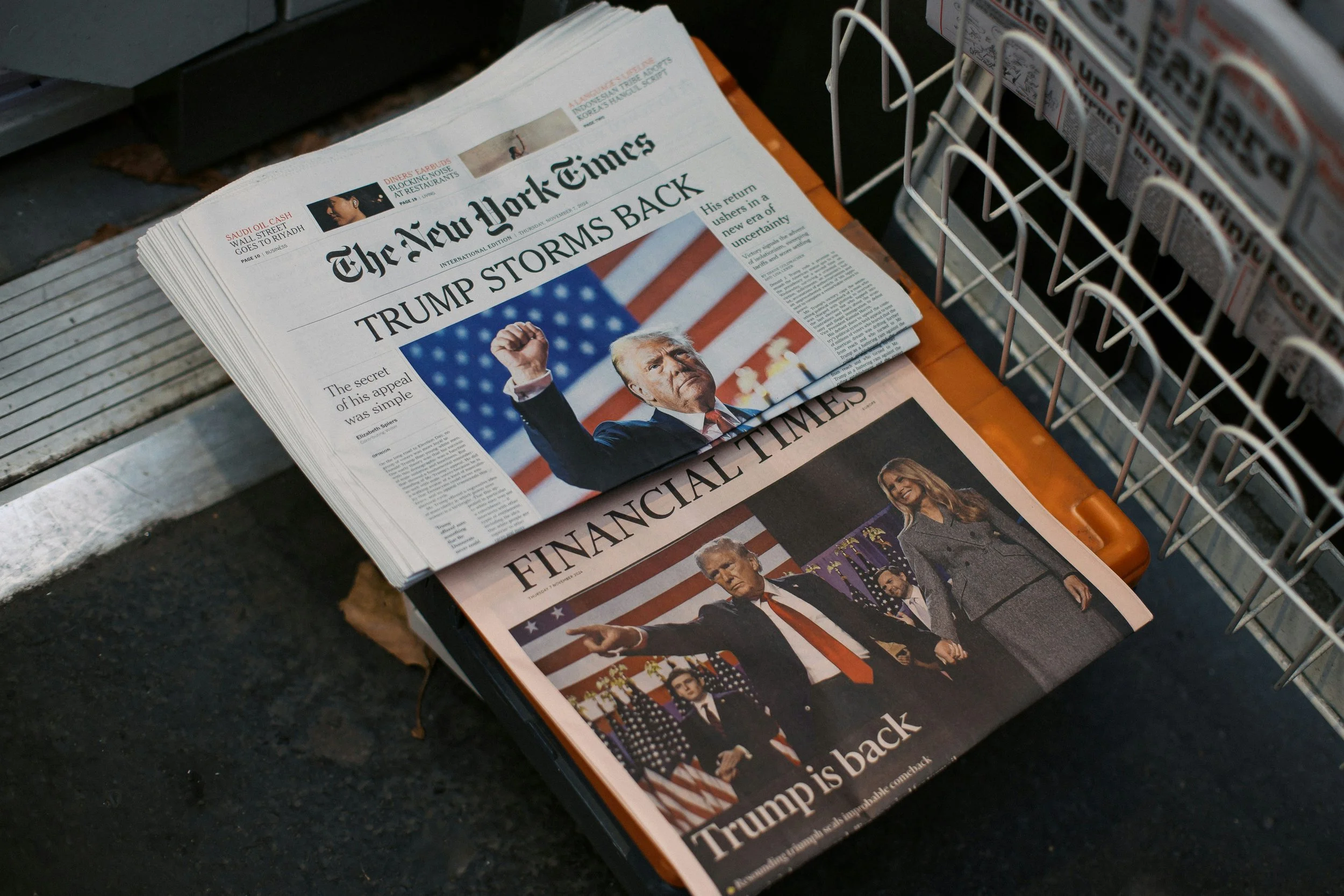
Trumpy did mention the arrangement might upset a few people, namely the American cattle farmers! El Presidente took to Truth Social to say that ranchers are doing well because of his tariffs. Those are the same tariffs he was simultaneously suspending for the country he'd just bailed out. That’s the kind of internal contradiction that, in my old business, would have sent an entire advertising campaign back for a rewrite.
In Washington, it's just another Tuesday.
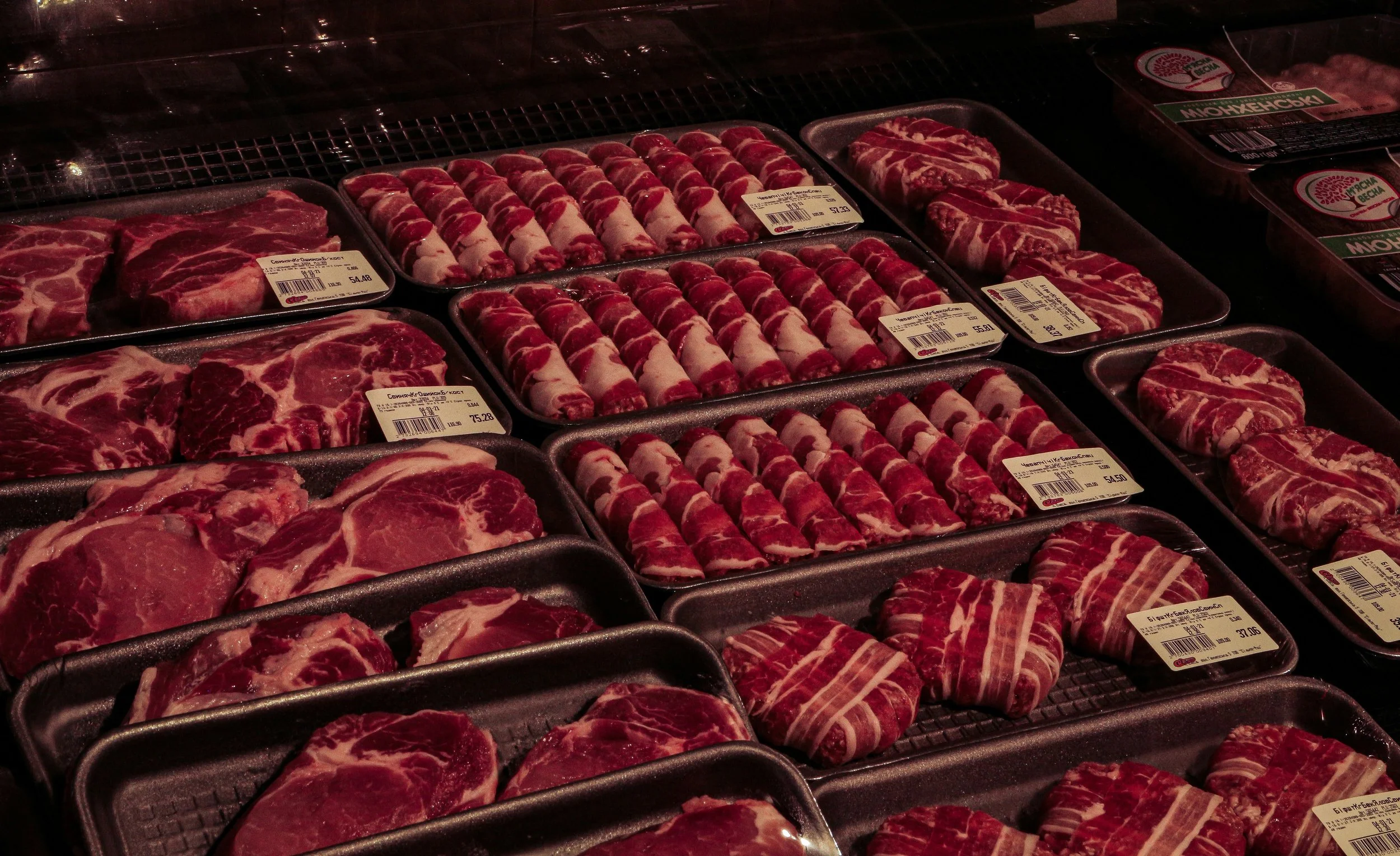
Like the Wendy’s campaign, the TV ad really finds its legs once you reach the section on beef quality. Because the mystery was rhetorical and the hamburger bun was merely disappointing, this mystery is closer to being actionable. The administration has decided not to tell its citizens which country the 300,000 metric tons of tariff-free beef are actually coming from. (However, it doesn’t take a genius to work it out.) The crafty buggers also scrapped the country-of-origin labeling requirement, so no American will ever know where the beef in their burger comes from.
The administration probably considers this a cosmetic problem, except that China rejected a shipment of Argentine beef in March after detecting traces of an antibiotic that had been banned for cattle in 1995.
If that wasn’t bad enough, the USDA itself recalled nearly 30,000 pounds of Argentine beef this month for failing to undergo the required re-inspection.
Ranchers are quite rightly raising concerns about foot-and-mouth disease, as Argentina's status on the matter isn't exactly tip-top. A Texas agriculture official put it as plainly as anyone in public life has all year: “It's low-quality beef,” he said. “We'll have to grind it all up into hamburger.” I should imagine he received a ‘don’t come Monday’ termination memo five minutes after speaking to a local reporter. Which is, when you sit with it, the most honest sentence anyone in this entire saga has produced.
Somewhere between a sovereign bailout and a Truth Social post, America's beef strategy is essentially: we don't know where it's from, we're not sure it's passed inspection, but don't worry, we're going to grind it up so small you won't notice.
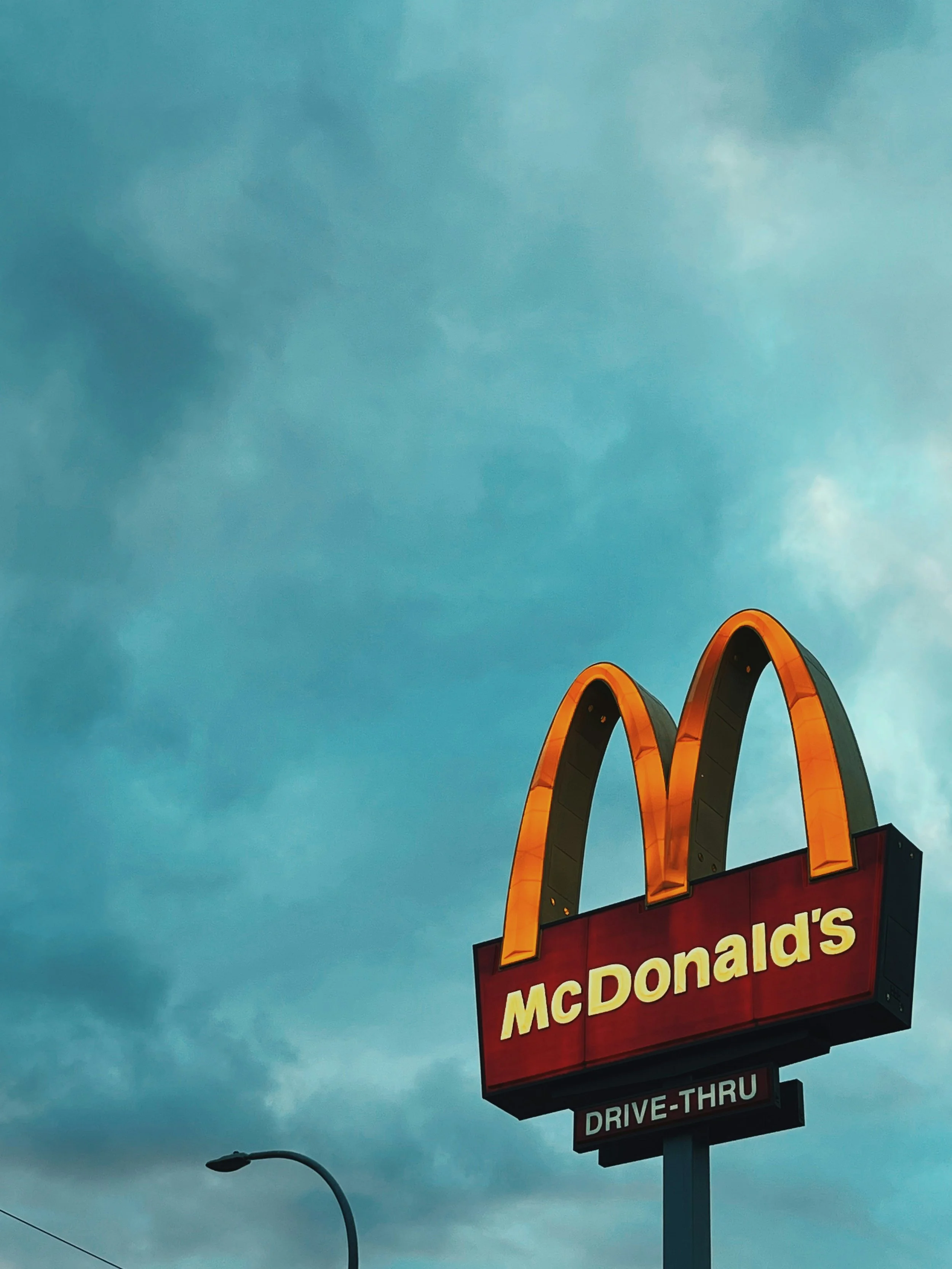
However, here's the part that would have kept me up at three in the morning if I still had clients to answer to.
Nobody has heard a word from the fast-food chains!
McDonald's, whose entire modern identity rests on the promise of a consistent, traceable, thoroughly optimized patty, has said precisely nothing. Neither has anyone else in that gigantic business, which is either a sign that none of this beef is actually headed anywhere near a drive-thru, or a sign that everyone in that industry has quietly decided the smartest move is to avoid being quoted anywhere near the word "chloramphenicol."
I've sat in enough crisis meetings to recognize studied silence when I see it. It's not an accident. It's a strategy. Possibly the only well-executed one in this whole affair.
The economists, bless them, say none of it will even lower the price of a burger; the imported volume amounts to about one or two per cent of what America consumes in a year, which equates to a rounding error dressed up as a rescue plan.
What this really means is that the entire exercise is an elaborate smoke-and-mirrors display at a cheap magic show. $40 billion to a friendly government, tariff waivers on its meat, silence from the people who sell it to you, and a President telling ranchers their prosperity is entirely down to him, while he quietly undercuts the market that produces it.
Thirty-odd years ago, an ad for a fast food chain cried out that there was no beef where the beef should be. Now the premise is that there might be beef; we're not entirely sure whose, we can't confirm it passed inspection, and everyone downstream of the decision has agreed not to ask. Clara Peller, God rest her, would have had something to say about that.
I suspect it would have been shorter than this essay and considerably more useful.
Paul v Walters is the author of several novels and an anthology of short stories and is fortunate enough to live on the island of Bali. His latest work, RITUAL, was recently launched at the Ubud International Readers