“Chronic Procrastinator or Just Lazy? Ask Me Later”
The last time I wrote about procrastination, a few years ago, my article drew a slew of comments accusing me of being lazy; in fact, one insensitive person went all out, writing, "You're not a procrastinator, you're just bone idle!" (He was probably right!) This actually set me thinking about the difference between procrastination and idleness, and after much deliberation I have decided that it's pretty much neck and neck, a race, perhaps even a dead heat.
Let me elaborate.

Koalas, those cuddly Australian marsupials, sleep for up to 18 hours a day and don't seem to feel guilty. They chew their eucalyptus leaves until satiated, then just hang about doing little else. Are they lazy? On the surface, it would appear so, but they look pretty happy to me and are still among the most adorable creatures on earth.
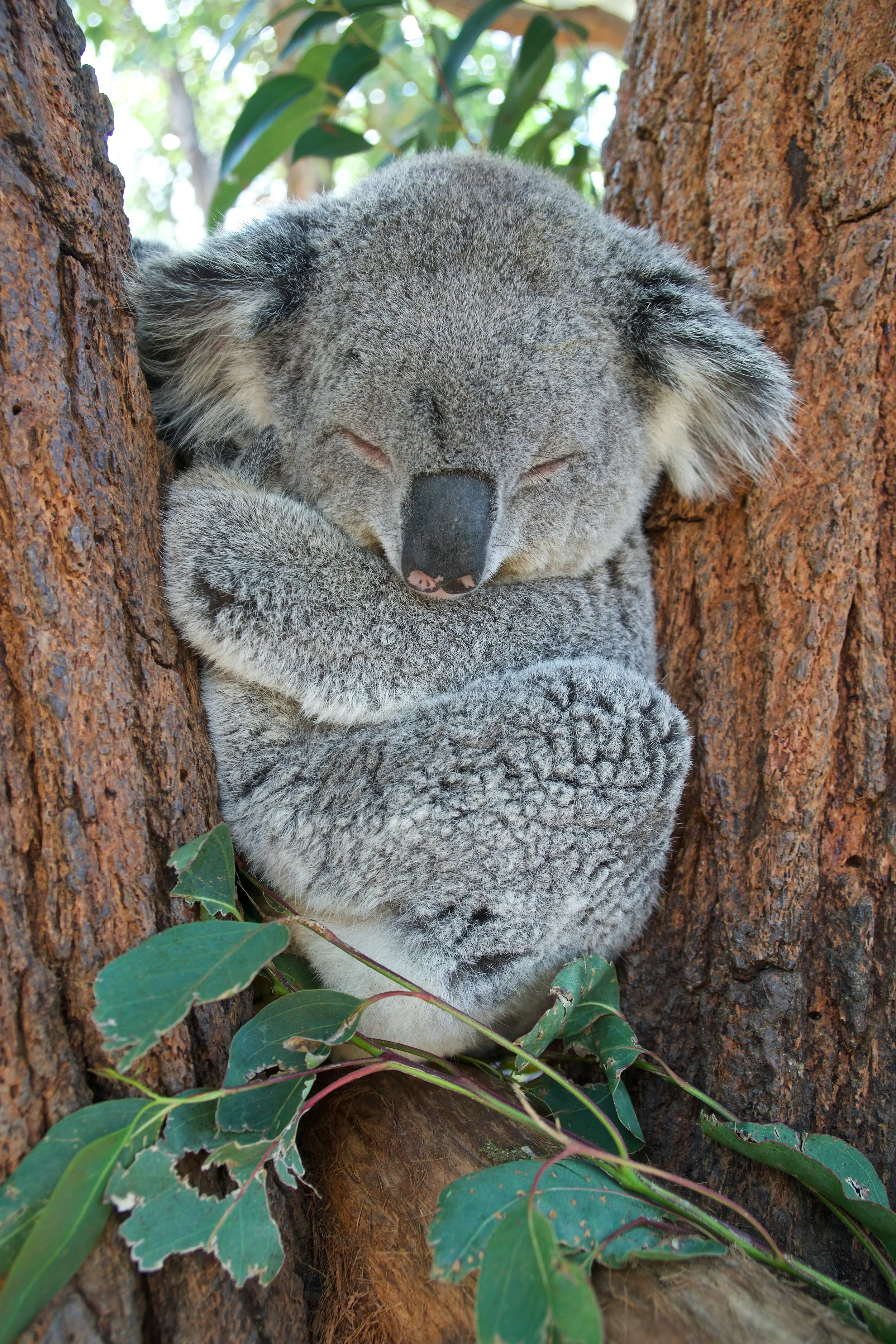
I can only envy such laziness, given that I struggle to get out of bed most mornings.
When I ran an advertising agency, I made a point of observing my staff's habits throughout the working day, especially their routine once they arrived at their place of employment.
My observations were distressing, as I noted that it would take them at least until morning tea to tackle their inbox and to-do list. When I sought them out for work-related projects, they were usually the hardest to find.
That inherent laziness probably followed them home, leaving household chores neglected, the gym abandoned in favour of the television, and their car unwashed since, well, ever.
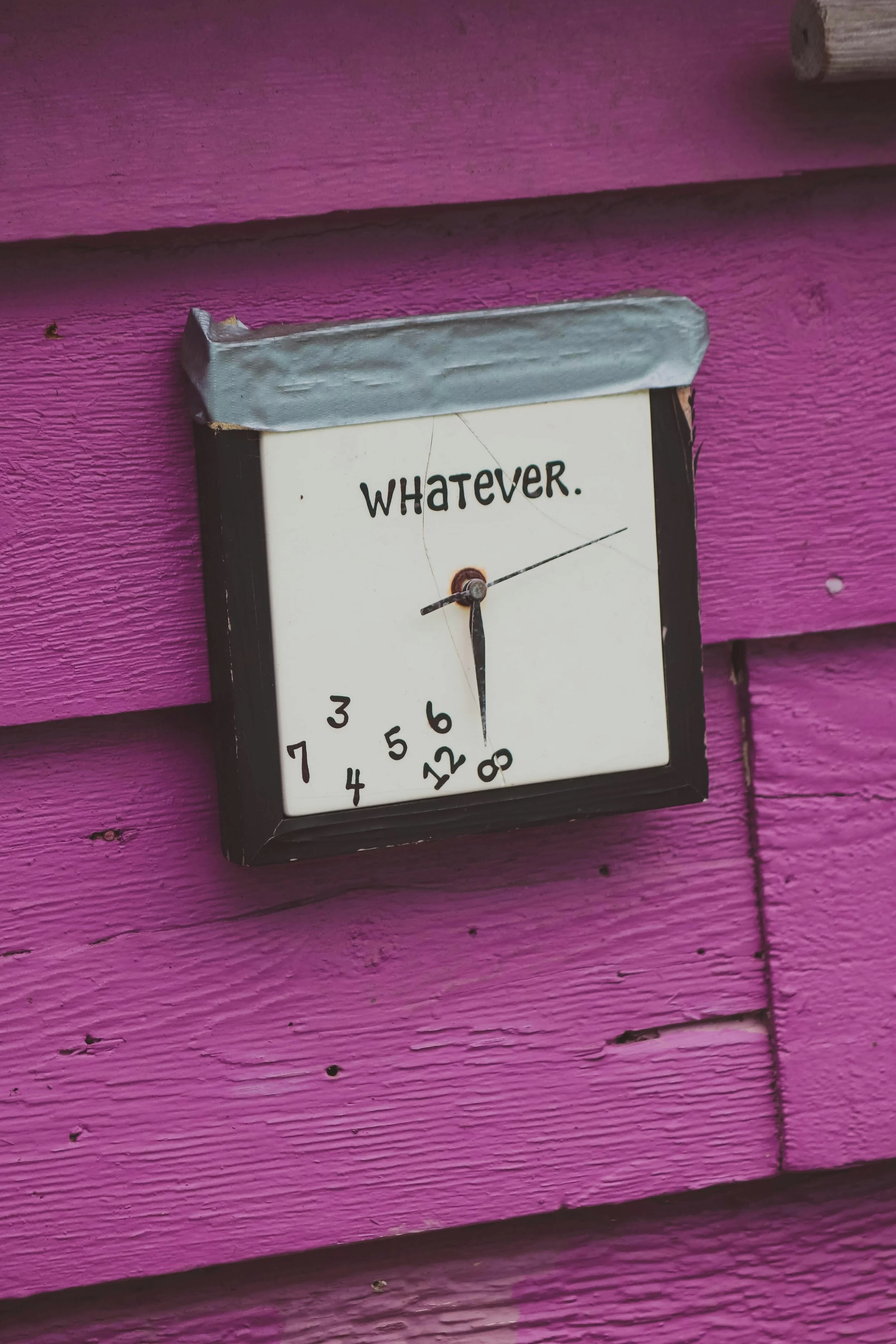
So, what is it that constitutes laziness?
Some of the boffins who beaver away at the University of Aberdeen in Scotland have identified a gene called SLC35D3, which appears to determine how lazy we are.
The gene was discovered in mice. It was noted that those that carried the gene walked only a third as far as some of their peers and at a much more leisurely pace. This reluctance to be active led to weight gain and other metabolic issues. That same gene has since been found in humans, although thankfully the research is still in its early stages. (Although I secretly suspect I have it!)
So, assuming those clever chaps at Aberdeen are correct, laziness is a genetic condition to be overcome.
My research into the subject suggested that a good place to start on the road to eliminating procrastination is to make a 'to-do' list, which might read something like this.
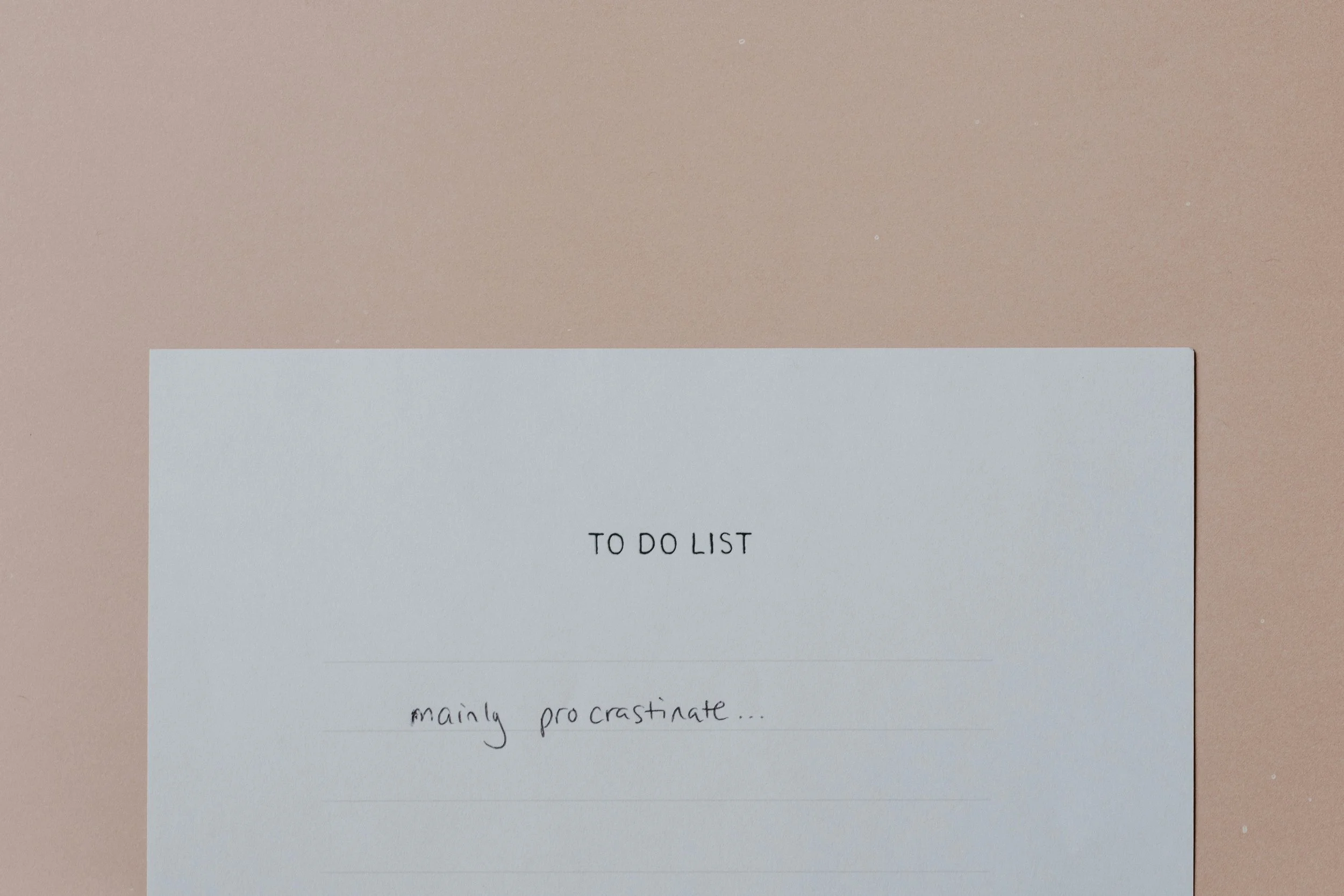
Get up!
Write a to-do list for the day
Organise your day around that list
Take a fitness class! (optional)
Paste the list somewhere prominent and refer to it regularly
This, for most procrastinators, is an excellent start, even though writing the list takes a fair bit of energy, which, sadly, is in short supply among the average lazy person.
Things were looking grim until I was fortunate enough to come across a wonderful group that I plan to join (as soon as I can get round to it). This gathering of like-minded individuals goes by the rather appealing name of 'The International Institute of Not Doing Much'.
What really cemented the association for me was their core value statement, which reads along the lines of: "We shall slow down in the workplace and on the roads. We shall slow down with growing confidence when those around us are in a shrill state of hyperactivity, signifying nothing."
Stirring stuff, especially the hyperactivity reference.
In my quest to understand procrastination, I sought out Carl Honoré's The Art of Living Slowly, which I started a few weeks after buying it. Mr Honoré, it turns out, is no ally of the sluggish. Which is when he lost me.
"Speed," he writes, "has helped to reshape our world in ways that are wonderful and liberating. Who wants to live without AI, the Internet and jet travel?"
Fair enough — but this , from my perspective, formed over decades of deliberate and considered inactivity, is rather the opposite. Our love of speed, our obsession with doing more and more in less and less time, has gone too far; it has become an addiction, a kind of idolatry.
These days, we scamper from meeting to meeting, driven by a ruthless need to compete and win; we embrace multitasking even though most of us are terrible at it, and we relentlessly do things without pausing to ask whether they're worth doing.
Naturally, I didn't finish the book.
My apologies, Mr Honore. Once I fundamentally disagree with an author, further reading feels like effort. His view of laziness carries negative connotations and is often, rightly or wrongly, associated with procrastination and failure to complete tasks. Thus, to avoid being labelled both a procrastinator and, therefore, lazy, I prefer to use a few different adjectives to describe my behaviour.
These include terms associated with industrious activity, such as 'thinking time', 'mindfulness', 'contemplation', or any other word that 'implies' the individual is doing something. Suggest adding a concrete example here — e.g. "This morning, for instance, I spent two hours in 'contemplation' on the veranda. Wyan, the ever-observant gardener, called it a nap."
Christopher Morley, a twentieth-century American writer, described laziness as 'philosophical laziness'. He wrote: "The lazy man does not stand in the way of progress. When he sees progress roaring down on him, he steps nimbly out of the way. The lazy man doesn't pass the buck; he simply lets the buck pass him by."
He's my kind of guy.
Quite frankly, let’s be honest; Most of us have always secretly envied our lazy friends, and the question to ask oneself is whether we are going to join them.
As for that particular commenter who referred to me as bone idle, all those years ago I've had plenty of time to think about it, and I've decided he was right.
I just haven't got around to admitting it until now.
Paul v Walters is the author of five best-selling novels. When not afflicted by laziness and procrastination, he writes for several leading travel and vox pop magazines around the world. His latest offering, RITUAL, was recently launched at the International Ubud Readers & Writers Festival.