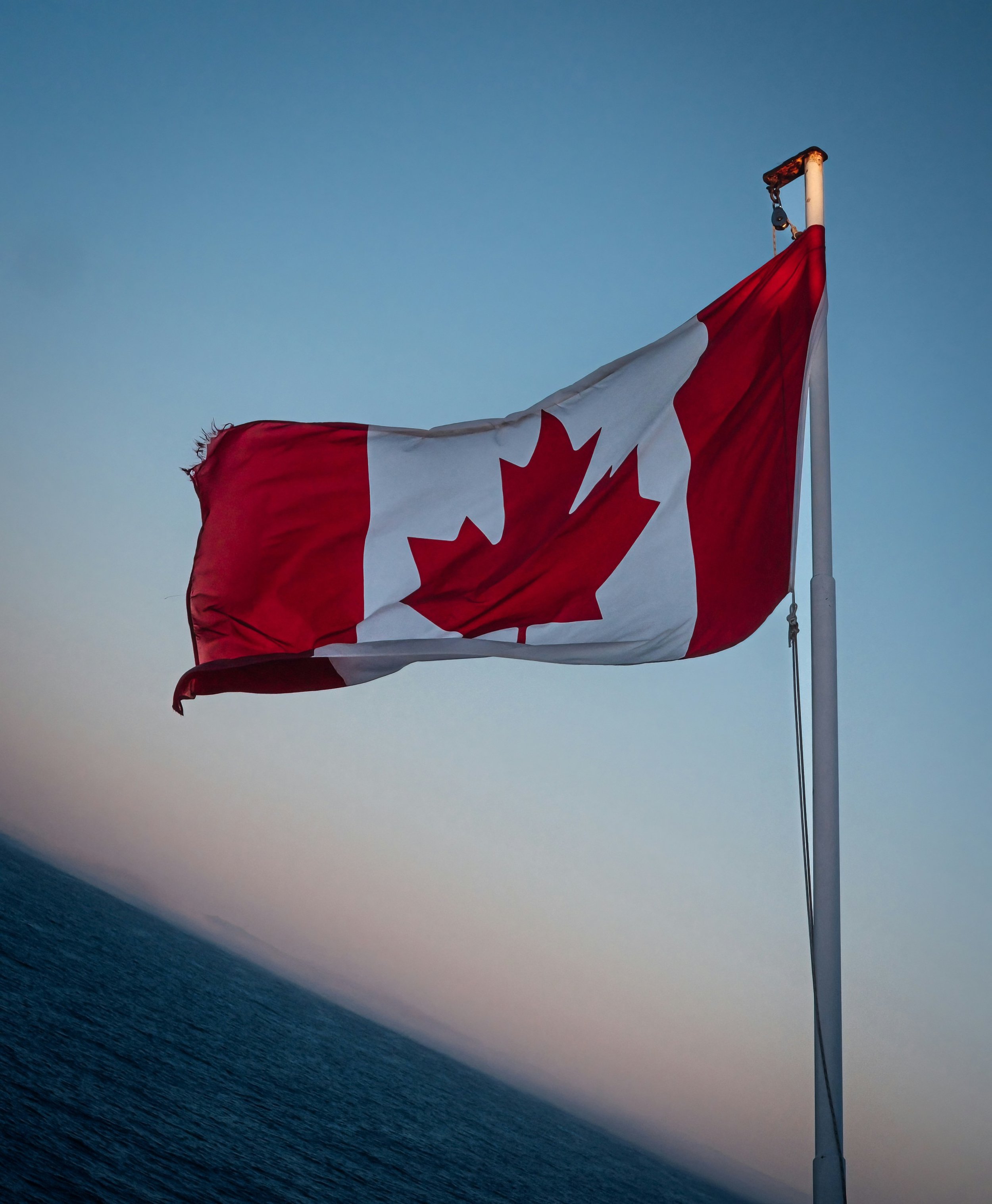
Oh Canada
"Our country owes its success not to some imagined tribal singularity but to the fact that, although its thirty-five million citizens do not look, speak or pray alike, we have learned to share this land and, for the most part, live in neighbourly sympathy." — Charlotte Grey, The Promise of Canada
I have always had a strange relationship with Canada.
For decades it never made my must-visit list. It ranked somewhere between a dental check-up and the second half of a Russian novel. Then, out of the blue, it stole my daughter, a dastardly act in anybody's book. She and her boyfriend, now husband, went to ski in Whistler after graduating for the obligatory overseas jaunt. "We'll do one season," she said breezily.
She never came back.
That's how those Canadians get you. There's no ransom note, just a free toque, a plate of poutine and a lifelong conviction that minus twenty is actually quite "refreshing."
So now we visit once a year, and, winters aside, I've come to love the place. At first, I felt compelled to do my homework on a country I knew nothing about, ploughing through Penguin's History of Canada, a hefty tome about a country that prides itself on never making a fuss.
Lately I've moved on to prime ministerial biographies: Pearson, Mulroney, Harper, the Trudeaus, and now the illustrious Mark Carney.
The pattern is hard to miss. For sixty years, Canadian leaders played the obedient butler to whoever occupied the White House. This is a country sitting on vast stockpiles of critical minerals, energy and fresh water, yet it spent decades tiptoeing into Washington to ask whether it might please be excused.
Canadians are so polite they apologise for breathing somebody else's oxygen, bless them. Step on a Canadian's foot and he'll say sorry. It's endearing. It's also a terrible negotiating strategy, like a poker player who folds a full house and thanks the table for having him.
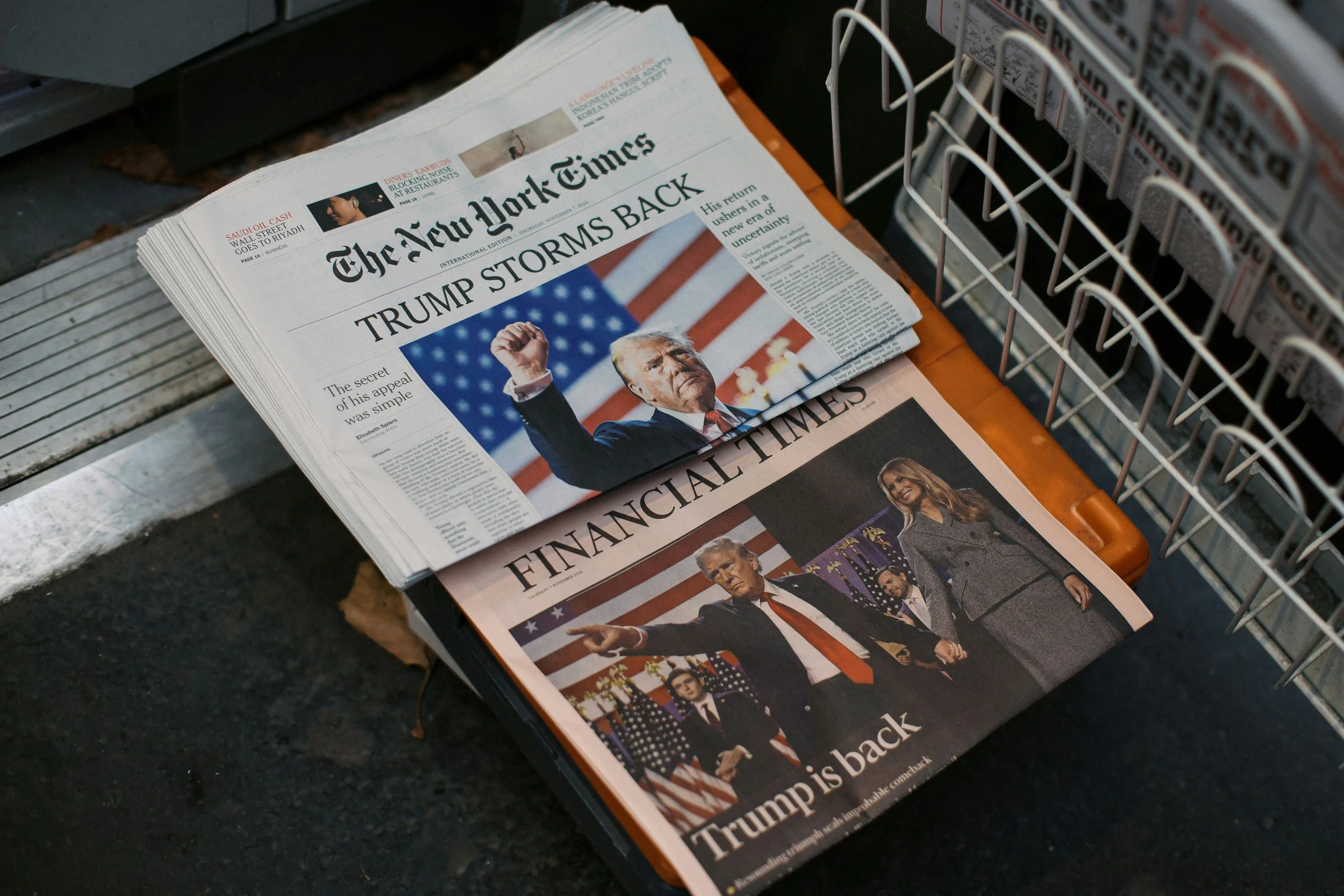
Donald Trump, who has a predator's nose for weakness, smelled it on Justin Trudeau and pounced. Canada, he declared, should become the "51st state" and its prime minister the "governor." Nothing says "we cherish our oldest ally" like offering to demote its leader to middle management.
The chorus joined in. "We don't need what Canada has," came the word from the bearded, diminutive real estate agent Howard Lutnick, who presumably also doesn't need the oil, the minerals, the water or the hockey, yet keeps circling like a man at an open home with no intention of buying.
Treasury Secretary Bessent chipped in, saying Canada is "like an annoying puppy dog" and alluding to Alberta's possible referendum; he called the state a "natural partner" for the US, a phrase that sounds far more romantic when you remember he was talking about what's in the ground.
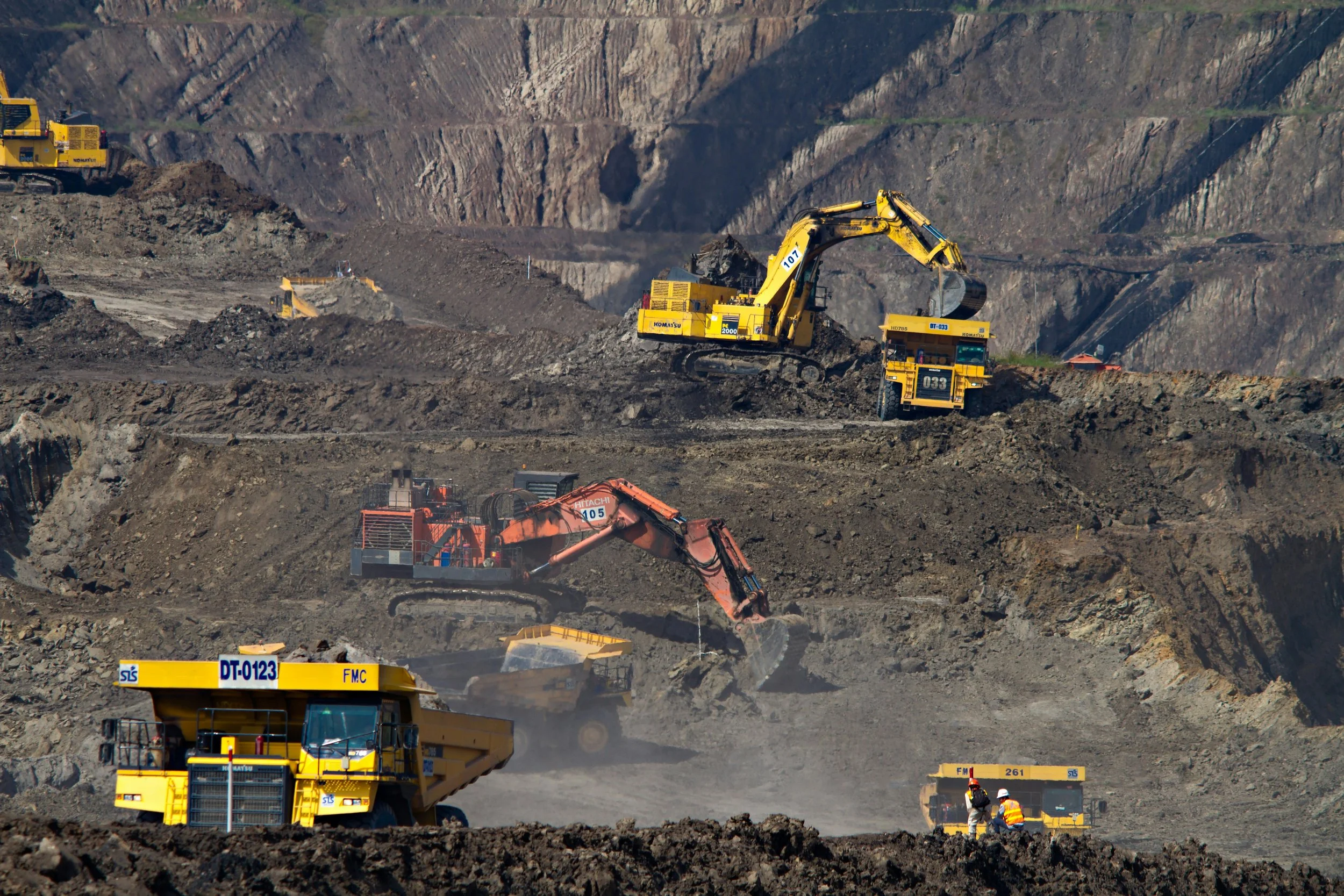
Consider that for a moment. America's most senior economic official looked at a Canadian province, and the first thing he noticed was the subsurface real estate. It was the diplomatic equivalent of meeting someone at a wedding and asking what their house is worth.
Canadians, being Canadians, responded with a strongly worded apology.
Then the banker walked in.
Mark Carney steered the Bank of England through Brexit, which is like being appointed head lifeguard during a flood. Before that, he ran the Bank of Canada through the financial crisis. Meanwhile, Trump was busy running casinos into bankruptcy, a feat of financial engineering given that the house always wins.
Carney knows two things: how to read a balance sheet, and how to spot a bully with a bad one. Last year he snatched an election from a Conservative party that had it in the bag, and he's been standing up to Washington ever since.
At last, here was a Canadian who had stopped saying sorry. Some say it's the first time in living memory that the word has been retired from active service.
Peter MacKay, the former Conservative foreign minister (who?), warned that Carney had moved from retaliation to provocation. He ranted in the press that talks with China were bound to upset Washington and that the New York Times interview wouldn’t sit well with the president either.
This, remember, is the same week Trump turned up at the airport in a coat and gloves to greet Xi Jinping, and now insists Canada needs permission to talk to Beijing.
That isn't a partnership. That's a hall pass.
"Keep your elbows up, and you'll eventually be penalised," MacKay cautions. Sound advice from the man who signed off on buying F-35s without an open competition. Carney is now asking whether Canada really needs all those jets. It's a fair question, given that the Pentagon controls the software. Buying a fighter jet you can't fully operate without America's blessing is like buying a Ferrari only to discover the neighbour holds the ignition key.
A bully rather likes an anxious neighbour. Ask Ontario, whose ad criticising Trump earned an extra 10% tariff purely out of spite. It seems the man who insists Canada "lives because of the US" has awfully thin skin for a tough guy. The ad was thirty seconds long, but meanwhile, the grudge is still going.
Let's not forget Pierre Poilievre, the man who lost the unlosable election and remains marooned in the old paradigm. His instinct, like that of every Canadian leader before him, was "any problems, call 1-800-Washington".
Sorry, Pierre. The phone's been disconnected.
Canada needs a strong conservative opposition while Carney forges ahead. Too fast? Too slow? Fair questions. But if the answer to a bully is to stand still and hope, we all know how that ends. Anyone who has been near a school playground can bear witness.
Which brings me back to my daughter. She said she'd stay one season and stayed for good, and I used to think Canada had stolen her. Now I suspect she simply had better judgement than her father. She picked a country that, at long last, has decided to stop apologising and start negotiating.
Carney mania, outside Canada?
Who'd have thought. The polite neighbour turned out to be the one with the spine. Sorry, did I say polite? I meant formerly.