The company that named itself after a cursed object
Somewhere in Miami, a company sells governments what can only be described as the Holy Grail, and governments, bless them, are tucking in like it's their third helping at the Holiday Inn’s breakfast buffet.
The company is Palantir, and the product is total visibility.

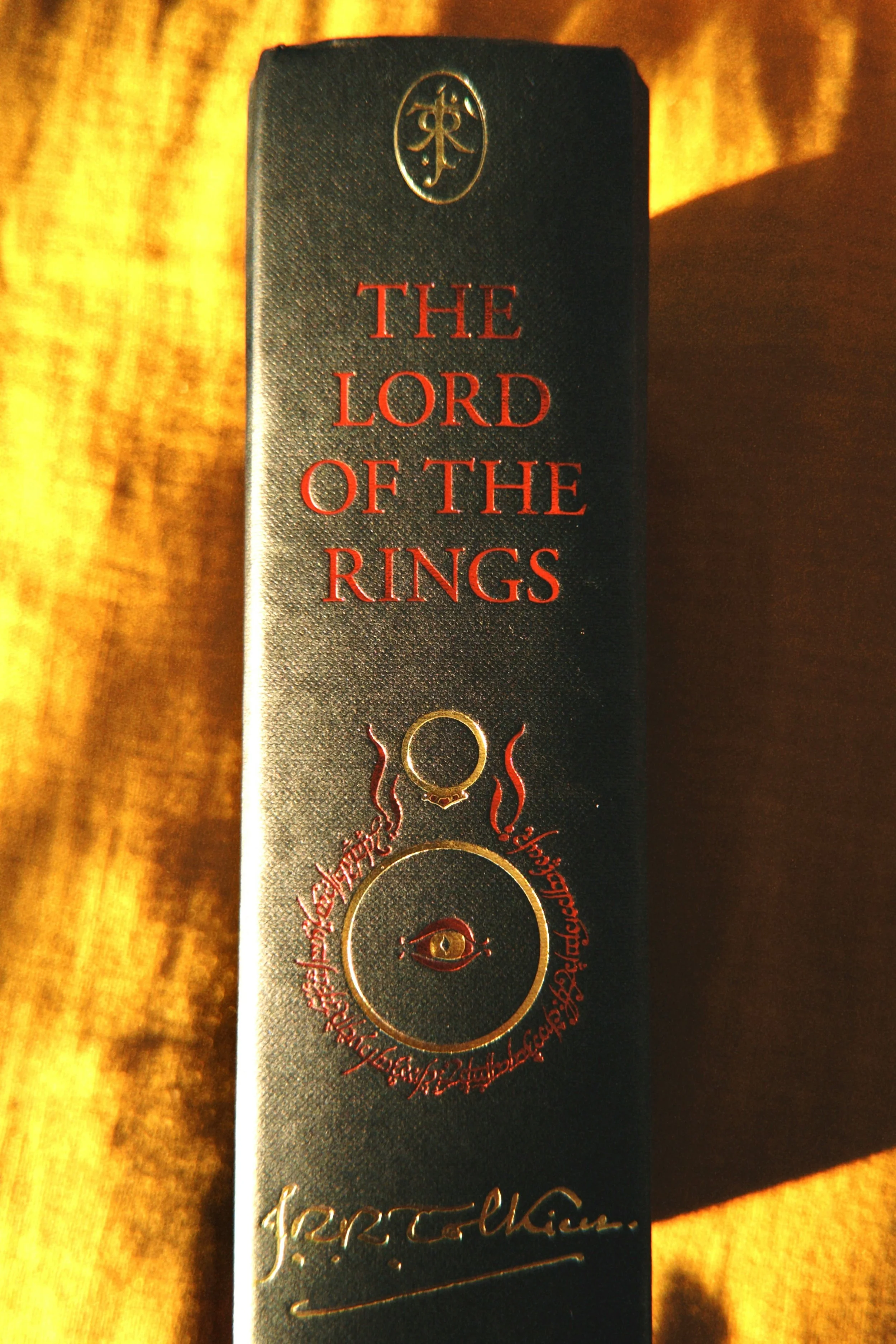
Peter Thiel, co-founder, chairman and, naturally, a billionaire, is a lifelong Tolkien devotee, so devoted that he named his company after the most compromised object in The Lord of the Rings. Looking back over the company’s history, I get the impression he never reached the end of the book.
Palantir. Heard of it? No? Well, they most certainly have heard of you.
The name comes from palantíri, the all-seeing stones that let you view distant places and people and reveal the "truth." The stones show real things, but only what the person at the other end chooses to let through. As it happens, the person at the other end was Sauron.
Let’s recap. Who kept the stones? Sauron had one. Saruman and Denethor each gazed into theirs from very different positions of power, each convinced they had the clear, unfiltered picture. Saruman became a traitor and then a corpse, knifed by his own servant. Denethor ended up on a funeral pyre, still gripping the stone, having tried to take his own son with him.
As cautionary tales about data-driven decision-making go, one would think it's a risky foundation for a business model.
In 2003, Thiel, Alex Karp and their cohorts must have read all this and thought: "Seeing stones that corrupt everyone who uses them, with a Dark Lord at the other end? Perfect. Nobody will ask what happened to the previous owners."

The Tolkien thread runs on. Thiel's venture funds are Valar and Mithril, and Anduril, the defence start-up he backs, is named after a reforged sword. Palantir's old Palo Alto offices were known as The Shire, which sits oddly with the surveillance empire being assembled inside, while passers-by probably mistook the place for a cannabis store.
Palantir’s entire portfolio reads like a teenager's first Dungeons & Dragons campaign or a high-school essay; in this version, though, the dungeon master has a massive Pentagon contract.
Palantir waxes lyrical, describing itself as a company defending the West. Defending it from what, or whom, exactly?
The company website addresses the question with admirable grace. The argument, roughly, is that democracies need capable defence and intelligence tools, that its software has helped Ukraine and a multitude of hospitals, and that if Palantir didn't build the systems, someone worse would. It's the ambiguous argument rolled out by the makers of every powerful thing ever built, and it always arrives with a great deal of sincerity.
Here is how Palantir’s web builders and copywriters phrased it: Palantir’s core model helps institutions integrate their data so they can make better decisions.
Now, here is what that looks like in practice.
In 2025, the company won a contract to build tooling and data collection for US immigration enforcement (i.e., ICE). It has a ten-year enterprise agreement with the US Army worth up to $10 billion. It also holds a contract with Britain's National Health Service, which is a lovely thing to say aloud if you want to feel the full weight of the phrase "federated data platform."
Karp doesn't hide any of this. On a recent earnings call, he told investors that the company's products are designed to scare enemies and, on occasion, to kill them.
That probably got the purchasers’ attention!
To be fair, that's a more honest mission statement than most of the sector would offer. It just doesn't appear on the front page of the website, where the font is rounder, the colours softer, and the tone considerably warmer and friendlier.
Then there's Chairman Thiel, who wrote in 2009 that he no longer believed freedom and democracy were compatible and, to my knowledge, has not retracted that statement, even though his company now holds a jaw-dropping amount of data from democratic governments. He has presumably noticed. It would be rude to assume otherwise.
None of these facts alone is a scandal (though that is debatable). Governments around the world buy software. The scandal, if there is one, is the pattern: a sprawling private firm, chaired by a man openly sceptical of the democracies it serves, acquiring a view of everyone and selling it to anyone with a decent budget. The product demo is lovely, naturally, but nobody in the organisation will ever show you the funeral pyre.
Tolkien understood how this ends. The stones don't lie, exactly. They show you what they show you, and the person at the other end arranges the data to suit.
Denethor was told more than once to put the thing down.
He didn't, and that certainly didn’t end well.