"Maîtres Chez Nous" Should Now Read, "Masters in Someone Else's House"
The art of surrounding a country that owns everything you need.
So that's the state of play as of this weekend. On one side of the border, a man who tells you what he's going to do and then does it. On the other hand, a mob boss blathering on about a 51st state while the lights he threatens to switch off are, technically, powered by the country he wants to annex.
Canada. Oh Canada
Here's the rub: Canada, the brave, is squaring up to the American bully in Washington. Canada never really had a dog in this fight, but now that they've been pulled in, they'll fight like a pit bull whose dog bowl is under threat.
Mark Carney, who these days looks increasingly likely to get a call from Barbara Broccoli to be the next James Bond, stood at the podium on Friday night, thanked the U.S. Trade Representative for his time, and simply walked away. He didn't storm off; he folded his briefing notes, turned, and wandered off.
The Americans had spent the week pushing a deal so lopsided it was less a trade agreement than an invitation to play football with four men against eleven.
Carney looked over the terms, glanced at the clock ticking down to midnight, and said the two words Washington apparently didn't see coming: Maîtres chez nous. We are masters in our own house. Then he went home.
Trump's people, naturally, called this Canadian intransigence. Which is one way to describe a man refusing to sign a bad contract with a gun to his head.
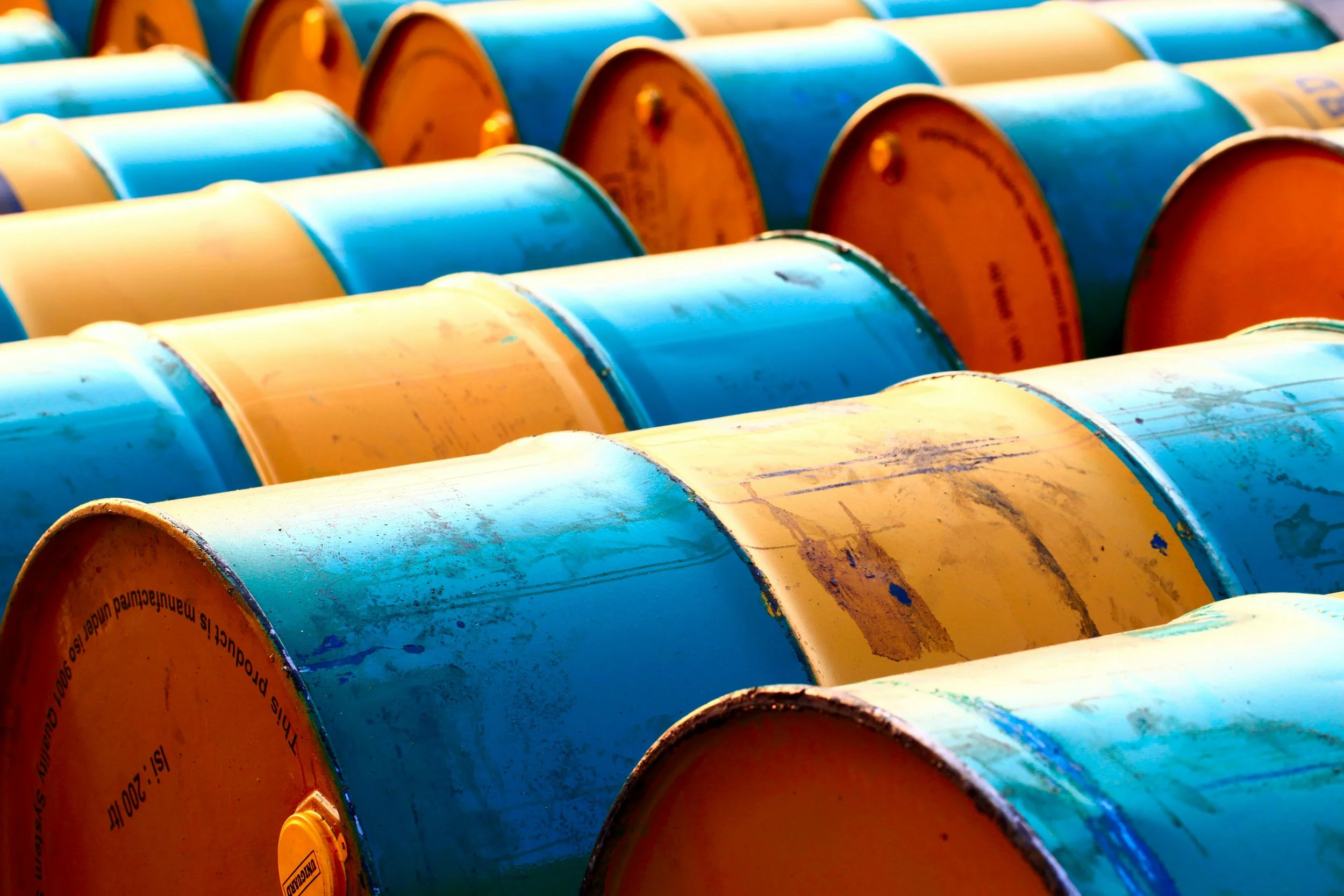
Let's look at the numbers. I doubt Trump did. Each year, Canada ships approximately 4 million barrels of crude oil across the border — about 70 percent of all the crude oil America imports. Here's the 70 percent. Midwest refineries are built specifically to process Canadian heavy crude. You don't pick a fight with your neighbour and threaten him with crippling tariffs while forgetting he's your main supplier.
If that wasn't enough, the negotiator-in-chief seems to have missed the fact that Canadian electricity powers huge swathes of American territory, including the glittering city of New York.
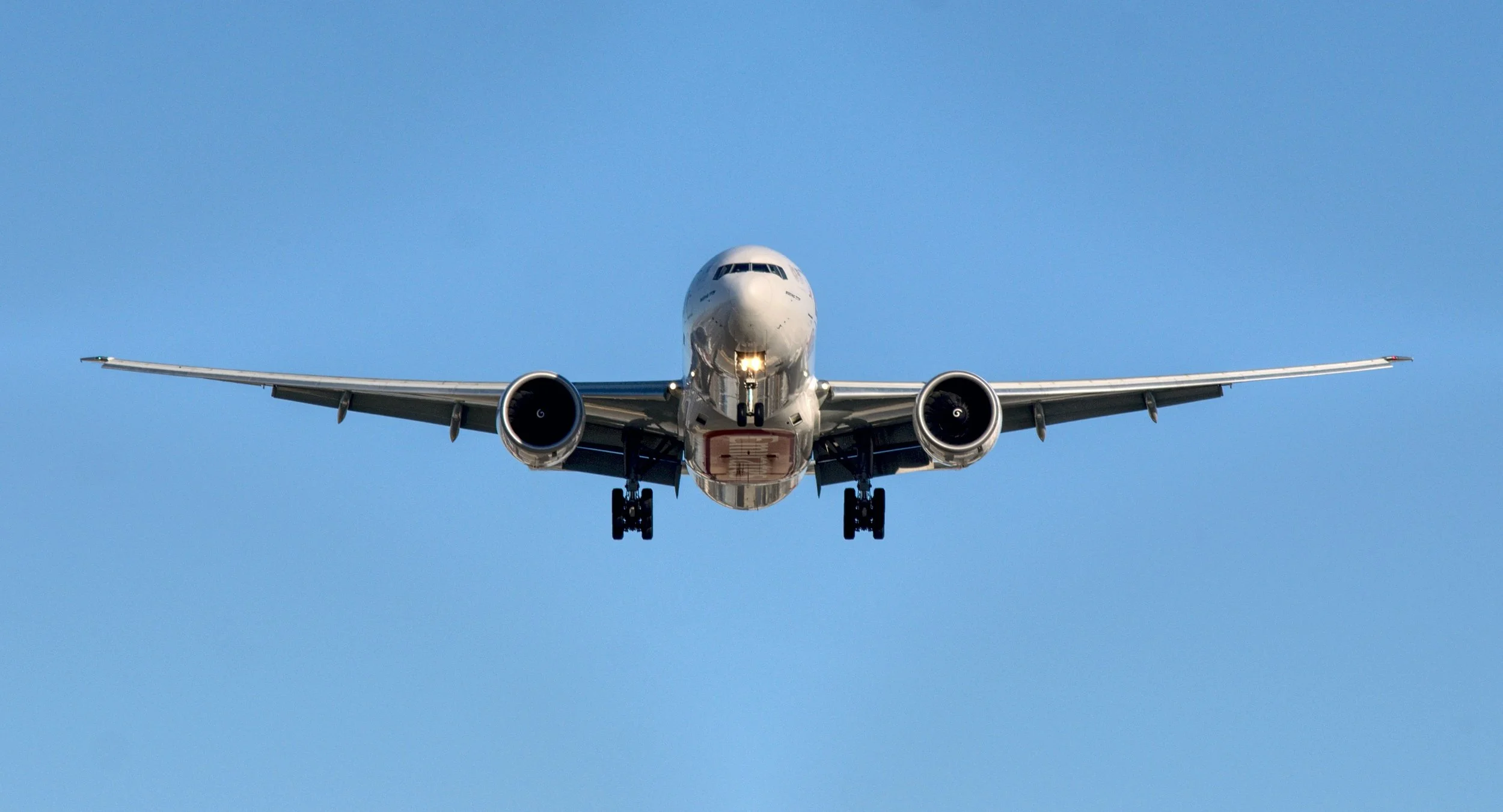
By the way, El Presidente, did nobody mention that Canadian uranium powers American reactors, or that without Canadian potash, farmers might be growing tumbleweed next year? I trust somebody told Boeing they'll be paying 50 percent more for their aluminum—a nasty dent in an already cratering bottom line.
You're aluminum-innovating the White House and insisting Canada needs America more than the other way round. But strip out everything that ships across that border, and the reactors go cold, the farms lie fallow, lumber gets scarce, and the lights start flickering over New York.
Yet you keep telling everyone you've got Canada surrounded.
That's not a siege; it's a catastrophic miscalculation. By the time the American consumer notices their groceries have gone up by fifty per cent, nobody's been surrounded. You've cut off your nose to spite your face.
Carney reassured Canadians that whatever Washington takes with one hand, the country can claw back with the other — a fairly comfortable thing to say when you know you have the man across the table by the short and curlies.
So here's where it sits going into the week: 50% tariffs now in play, Carney vowing to match Washington's 50% dollar-for-dollar, and Trump telling his base that Canada is on its knees.
The absurdity is that he believes it — the same certainty with which he's convinced an entire country they're winning a war in the Middle East, and that they've flattened their pesky, nasty neighbour to the north.
He'll wake up eventually. Probably around the time his next power bill arrives, itemizing exactly how much of that Canadian energy he swore America didn't need.
Paul v Walters is the author of several novels and an anthology of short stories and is fortunate enough to live on the island of Bali. His latest work, RITUAL, was recently launched at the Ubud International Readers and Writers Festival.