A Nose For Corruption
Swirl, sniff, savour, then steal.
Over the years, I have developed what I can only describe as a palate for corruption.
Let’s be clear: I did not develop a taste for it; in case any tax authority reading this gets ideas, but rather I developed an educated nose. The way a sommelier can swirl a glass and mutter something BS about "leather with a hint of stone fruit".
For most of my adult life, I have watched the heads of newly independent nations quietly transfer their countries' wealth to a villa in Cap Ferrat, while their countrymen starved.
My observations were not something I asked for.

It came from years spent living in South Africa and traveling across the continent, visiting places such as Zimbabwe, Kenya, and Mozambique, and watching as Nigeria, Uganda, and the West African nations saw their newly elected leaders plunder their treasuries with impunity.
Now that I've settled in Southeast Asia and occasionally glance at the news from the continent I often pine for, I see that corruption isn't a regional speciality at all. It's the human condition's preferred house wine.
Everyone's pouring it.
Some of them had just had more tastings.
If you want provenance, we need to go back a couple of millennia.
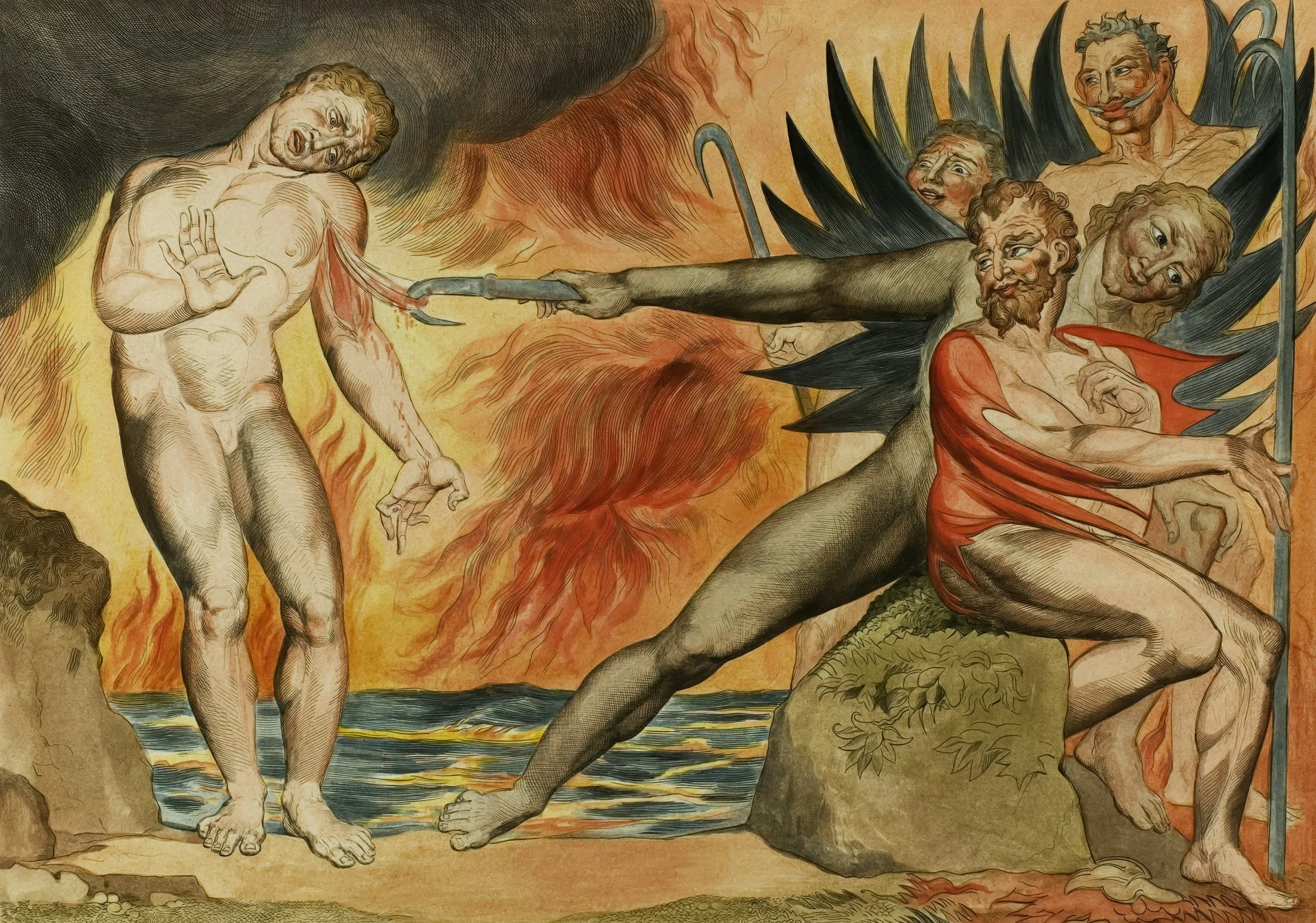
Christ himself walked into the temple and found the moneylenders had set up shop, turning a house of worship into a very early version of a strip-mall payday-loan outlet. Two millennia later, the modern-day self-same money-changers now hide their cash in offshore shell companies.
Ancient Rome, of course, drank itself into oblivion on the stuff; an empire that didn't so much fall as quietly embezzle itself from the inside, one bribed magistrate at a time. If you want the blueprint for imperial collapse, it isn't "Barbarians at the Gate." It's a Senate more interested in its own portfolio than in the country's welfare.
Now, if you are looking for true grafters, look no further than the Europeans. They took the entire corruption enterprise, weaponised it, and developed industrial-strength vacuum cleaners to suck up the spoils under the guise of the newly minted term, "colonisation".
The British, Dutch, French, Portuguese, and, let's not forget, the Spanish, were a veritable supergroup of light-fingered monarchies. They took one look at Africa, S.E. Asia, and South America and thought: "Well, this stuff is just lying about; we may as well steal it."
They packed it up and shipped it home, with the tidy self-justification of "civilising" people who'd actually been getting on rather well without them. Centuries later, the colonial powers departed, leaving a marvellous parting gift: institutions built for extraction rather than for governance.
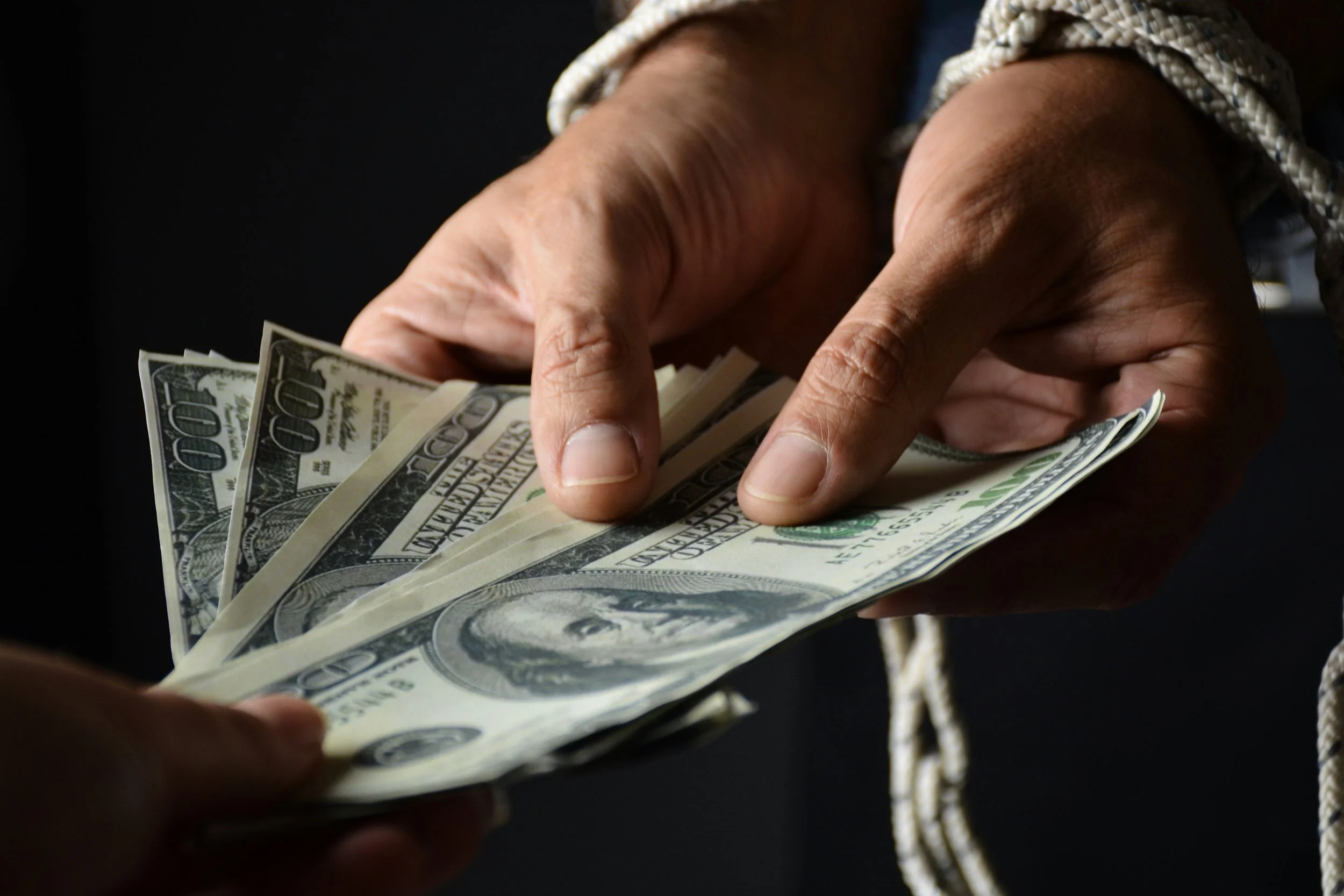
A perfect starter kit for the next set of thieving hands.
And what hands!
What so often happens is that when independence arrives in a nation, like a long-awaited guest of honour, brass band and all, the newly elected leader immediately proceeds to eat everything on the table, then the table itself, then the house the table was in.
Zimbabwe's liberation hero settled in for a multi-decade encore. Nigeria discovered that oil wealth, like a fine Burgundy, is best enjoyed by a very small panel of tasters, preferably in a French chateau with its own vineyard.
Uganda's Idi Amin. Africa's big daddy, a psychopathic master thief who was prone to a little cannibalism to go with his vintage bottle of Merlot.
South Africa gave the world Mandela, an actual saint, dispensing grace as if it were going out of fashion, and then, once he'd gone, his successors treated the state coffers like an open bar at someone else's wedding.
In the east, the menu and the wine list were/are equally extensive.
Malaysia's former Prime Minister helped himself to the country's sovereign wealth fund, not some of it, but all of it! He and his wife bought yachts, a couple of Picassos, and, I am not making this up, even funded a Hollywood film about excess, which is either the boldest satire or the least self-aware financial crime in human history.
The Philippines were no better; they had the Marcos family, who bankrupted a nation with such theatrical commitment that the shoe collection was the least interesting line item.
Russia decanted an entire economy into a handful of private cellars and called it "the transition to markets." Ukraine, for its part, has spent thirty years discovering that resisting one kind of theft is so much easier than rooting out your own.
I see corruption running through the current American administration with such confidence that it's no longer a bottle passed quietly under the table; it's the house special, poured tableside, with the label facing the room.
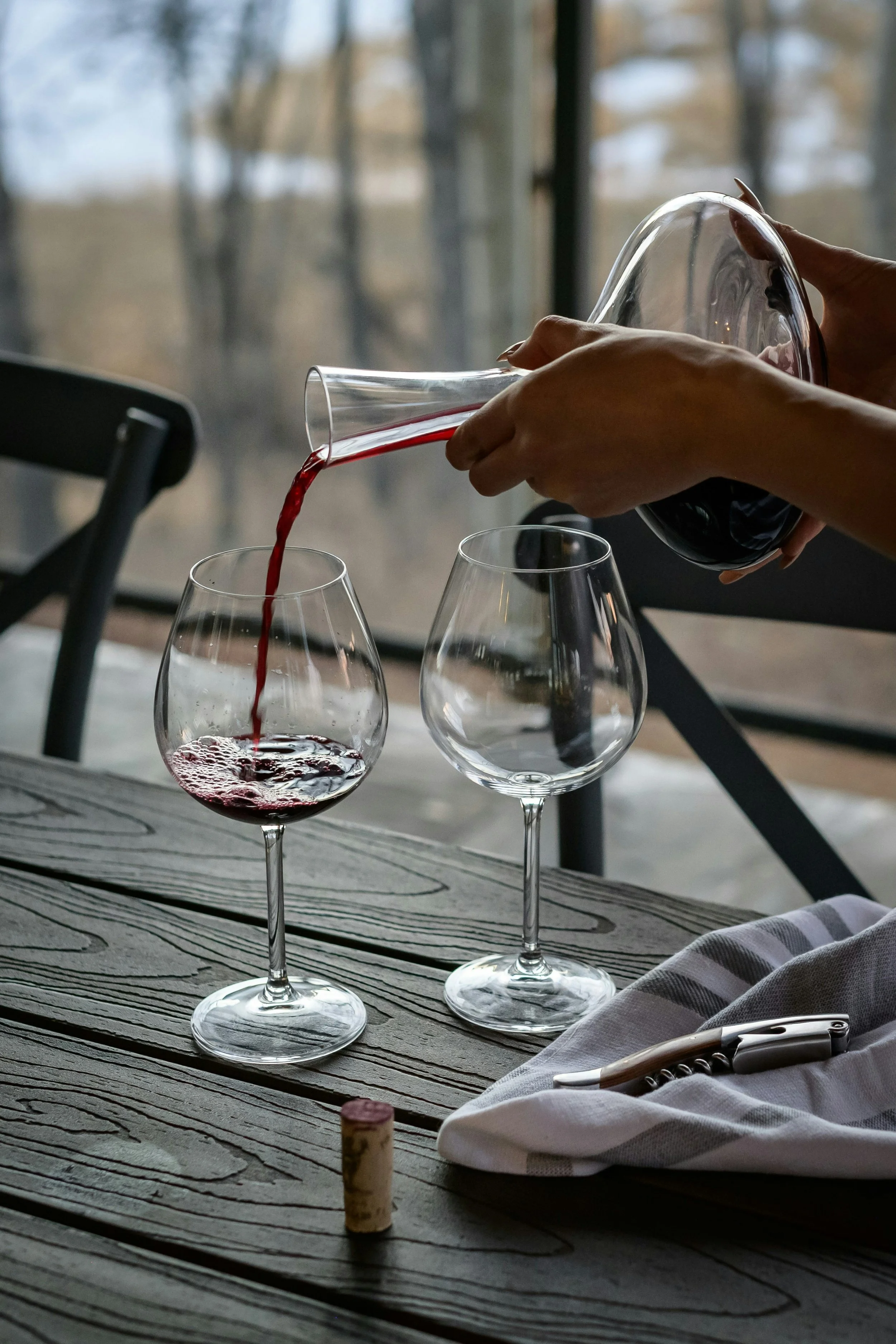
Where the old masters at least decanted, out of some vestigial sense of manners, this lot serves it straight from the bottle, with the garnish optional and tasting notes helpfully pre-written on gold letterhead.
The trouble with being a connoisseur of corruption: you eventually realise there's no bottom shelf.
It isn't an African, Southeast Asian, or "developing-world" problem. It's a human problem, one we've been decanting since the temple in Jerusalem and the Senate in Rome. That tainted wine, refined by empires, is now bottled fresh in whichever capital currently has the least shame.
The only real difference between then and now is distribution. It used to take fleets of ships to move that much stolen loot. Now all it takes is a laptop and a friendly banker in a jurisdiction with excellent weather and no extradition treaties.
I'd propose a toast, but frankly, I think we've all had enough.
Paul v Walters is the author of several novels and an anthology of short stories and is fortunate enough to live on the island of Bali. His latest work, RITUAL, was recently launched at the Ubud International Readers and Writers Festival.