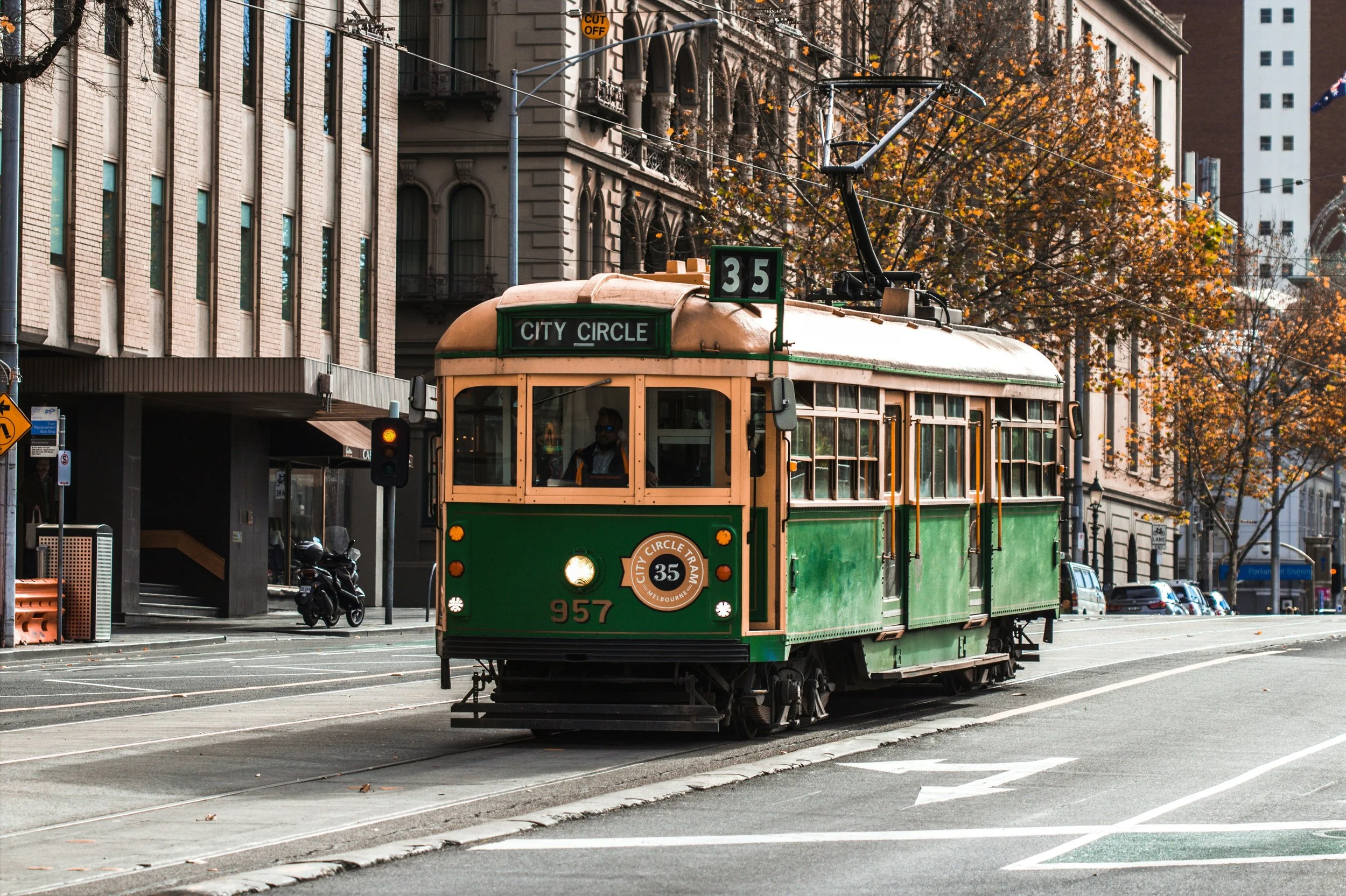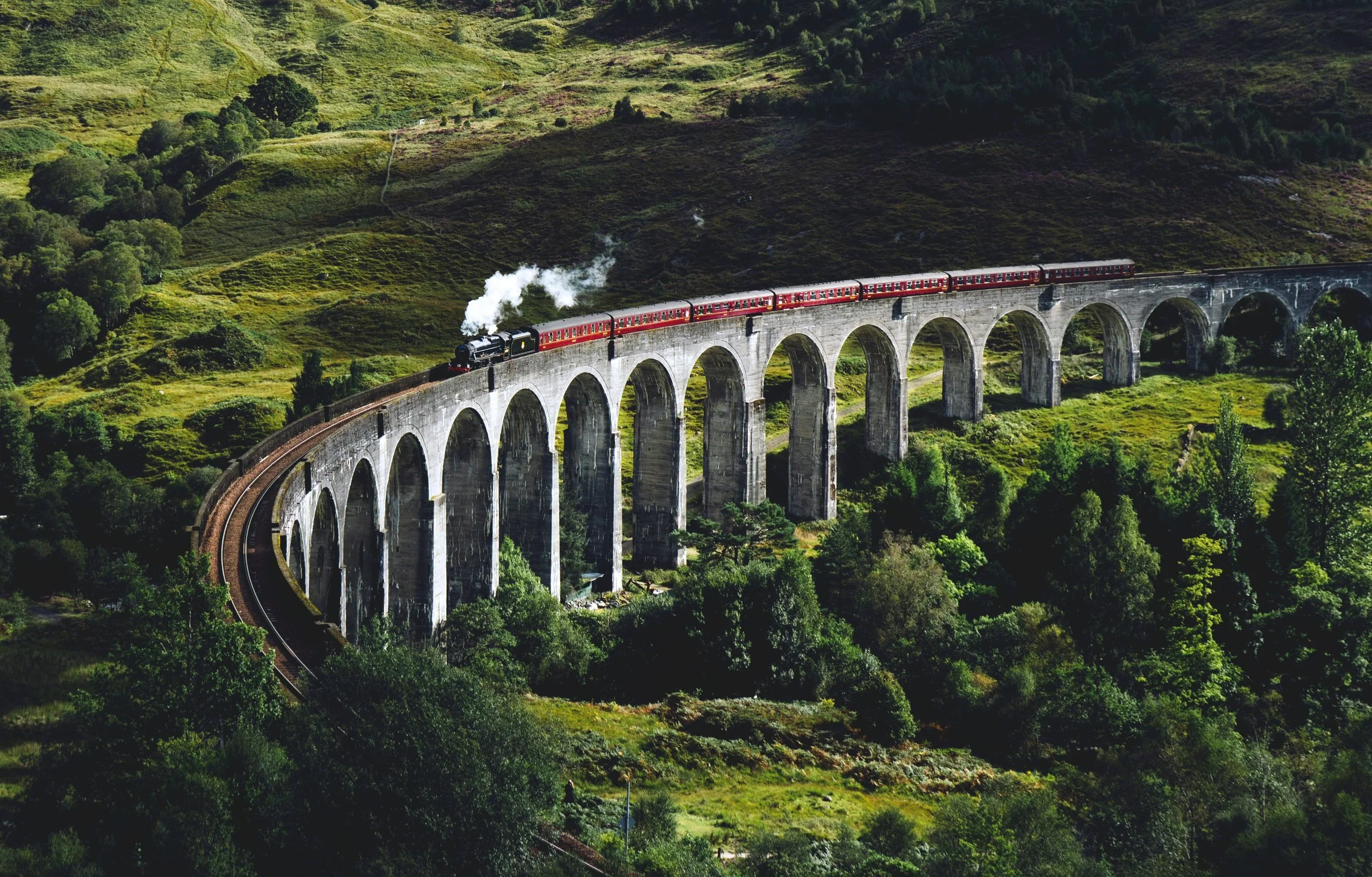
Slowly Does It. The Seductive Lure Of Long-Distance Train Travel.
I like trains.
I like the way they move with their swaying, comfortable rhythm. I like the feeling of being suspended between two destinations. But most of all, my anxieties disappear when aboard a train, as basically,... I know where I’m going.
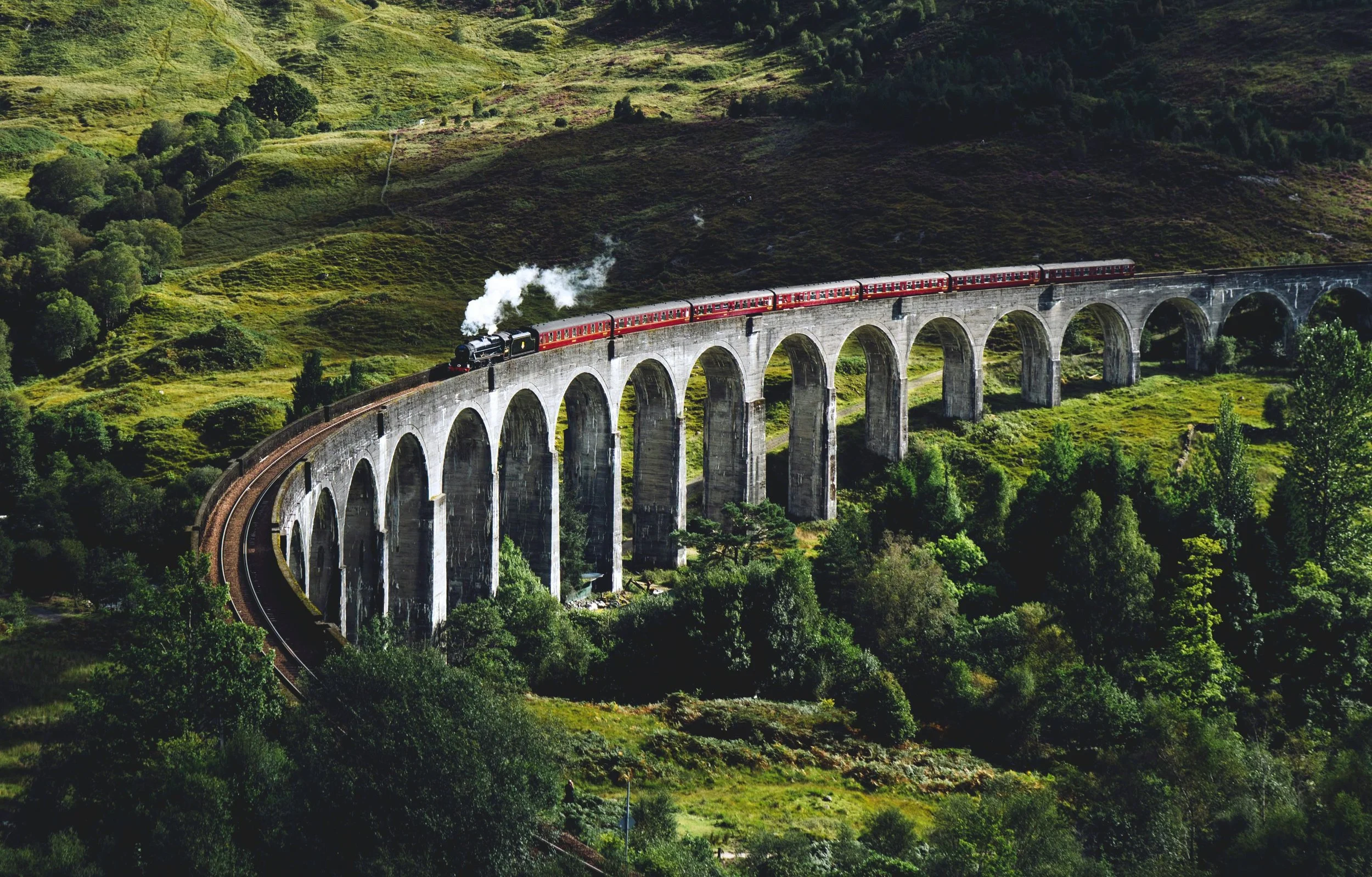
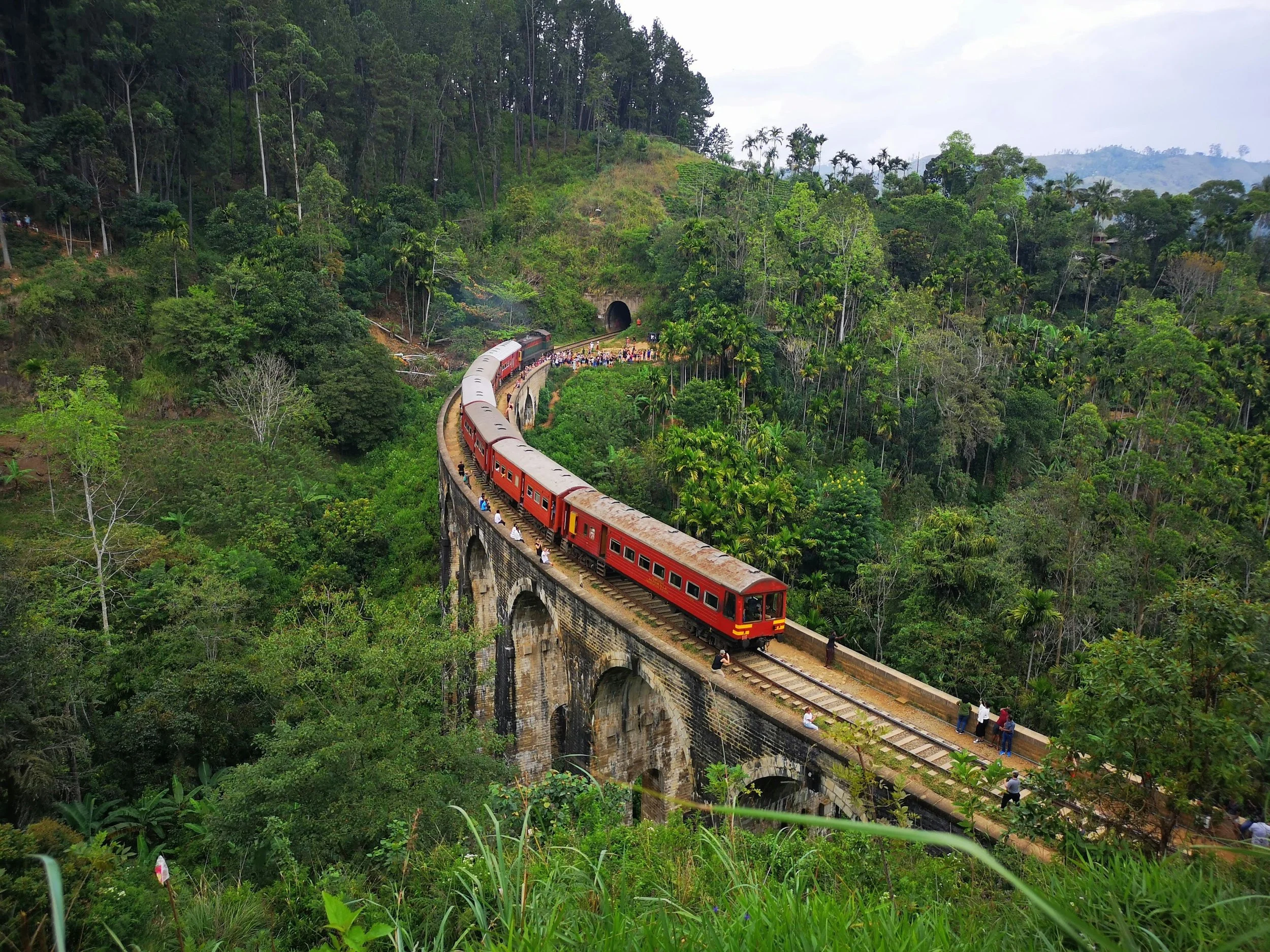
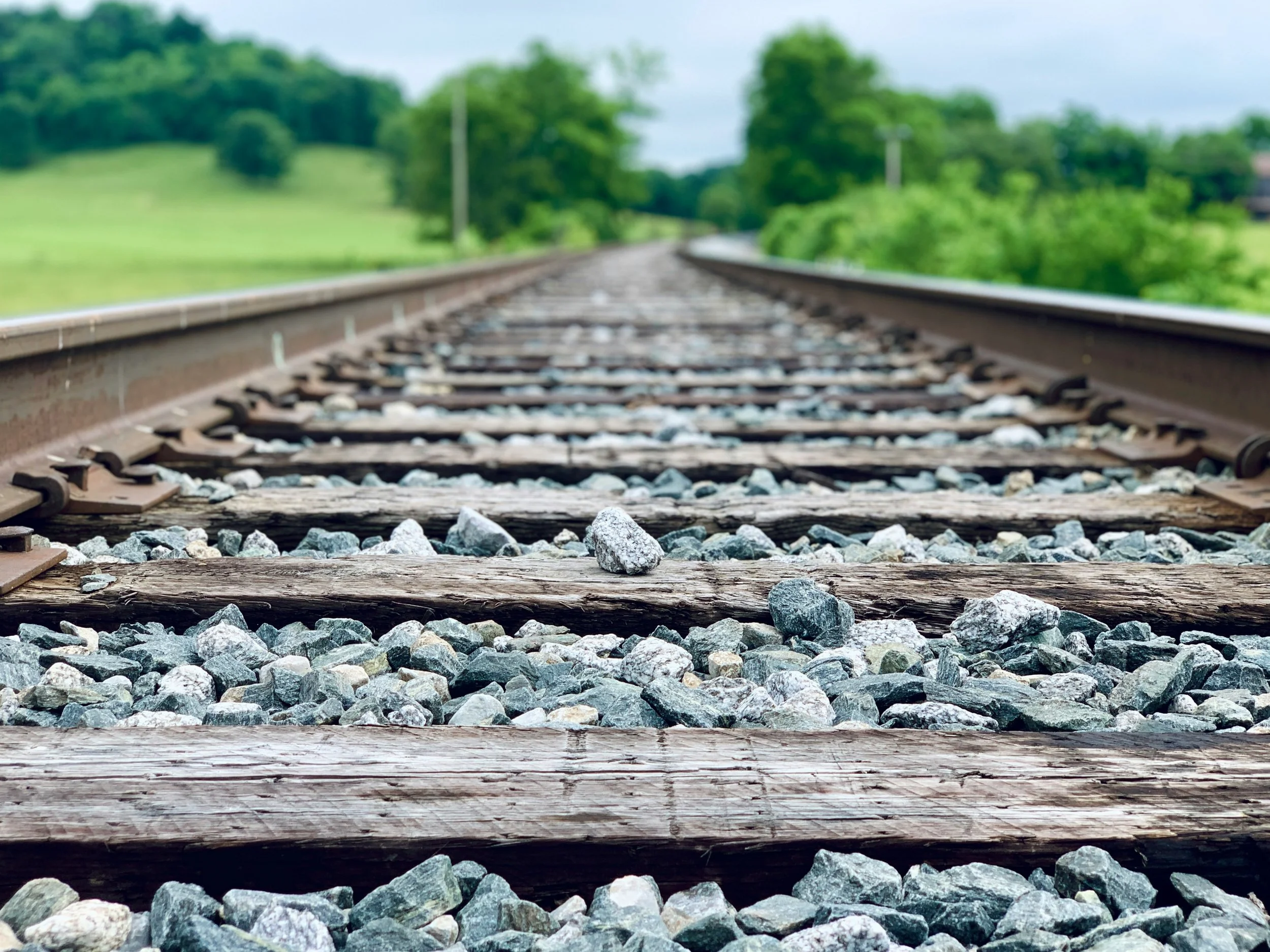
I like the parallel rail lines that snake, seemingly forever, across endless landscapes, their sole purpose being to carry trains. The lines support the wheels, which in turn depend on the brute power and momentum of a locomotive that never seems to flag. It pulls its snaking serpent of carriages up and down hills, in and out of tunnels, before thundering across the flat, ferrying its passengers between one city and the next.
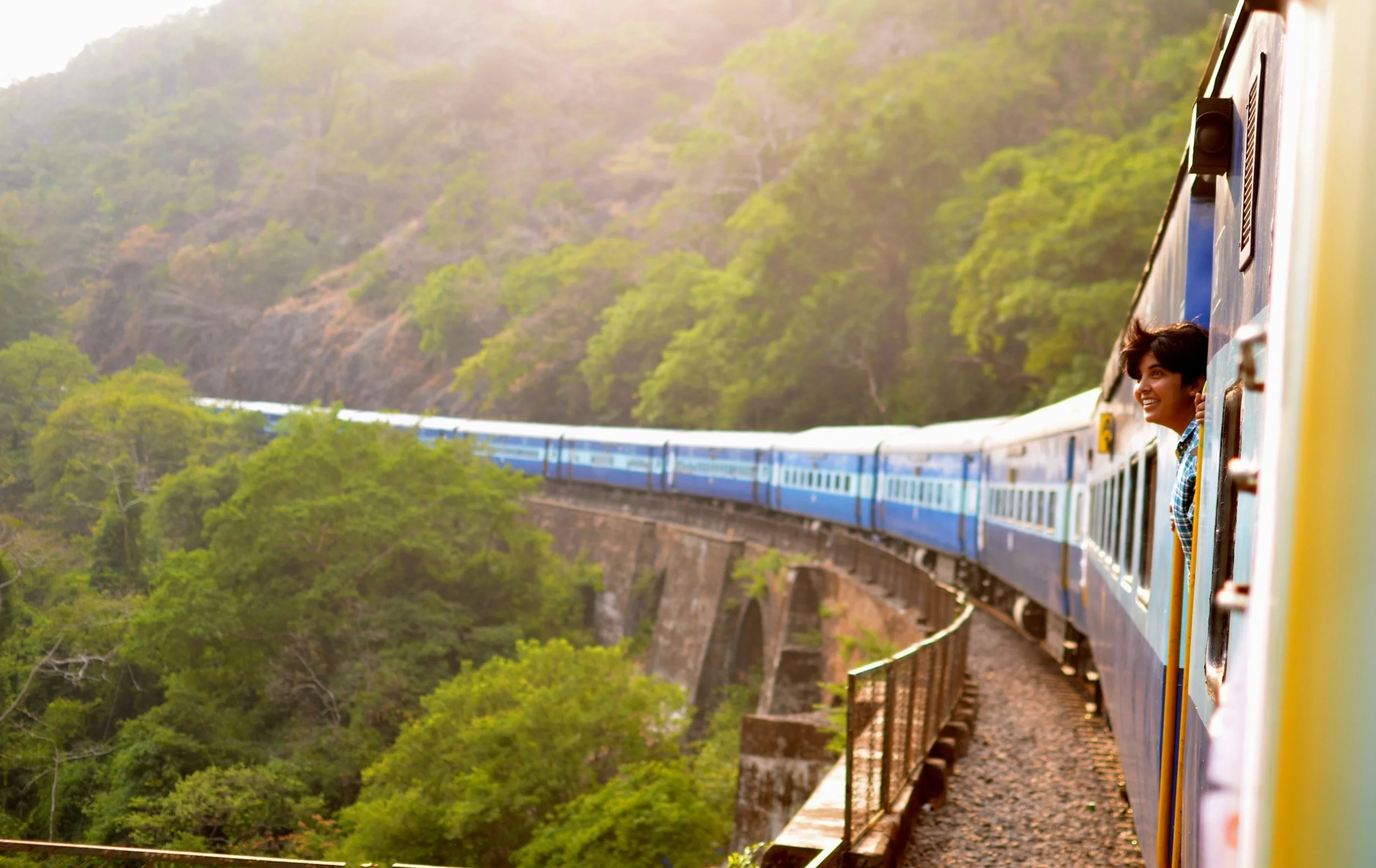
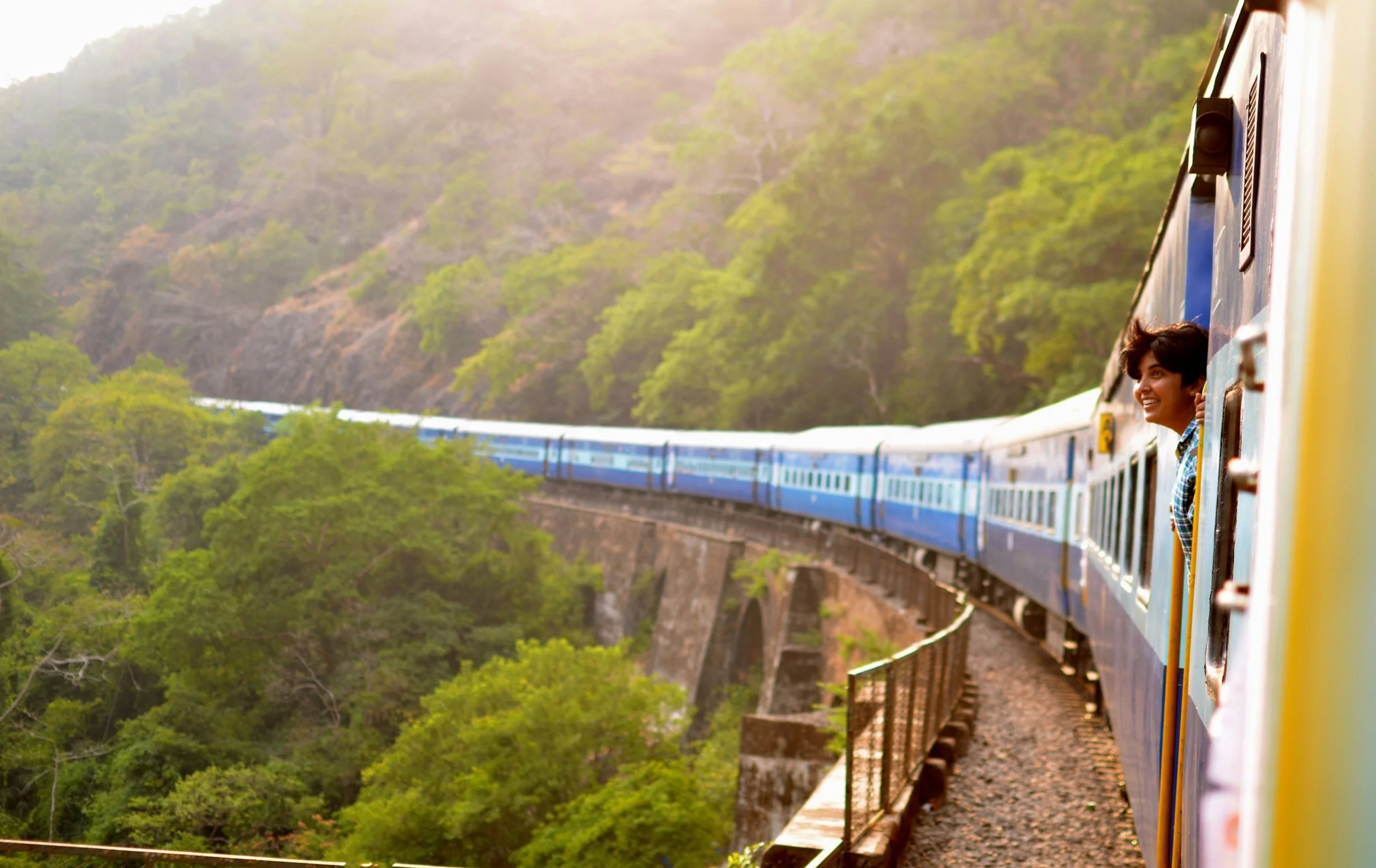
Across the world, I have stood at open doorways of trains, watching the rich tapestry of life slide by in all its majestic splendour. Women washing clothes in a canal in India, a couple arguing on a high-rise balcony in Spain, Glimpses of giraffes and zebra grazing contentedly on the African plains from the window of the Nairobi-Mombasa night train. Hurling past farmers gathering their harvests on the Moroccan plains or meandering through the towering Italian Alps, whose peaks soar high above as if intent on touching the stars.
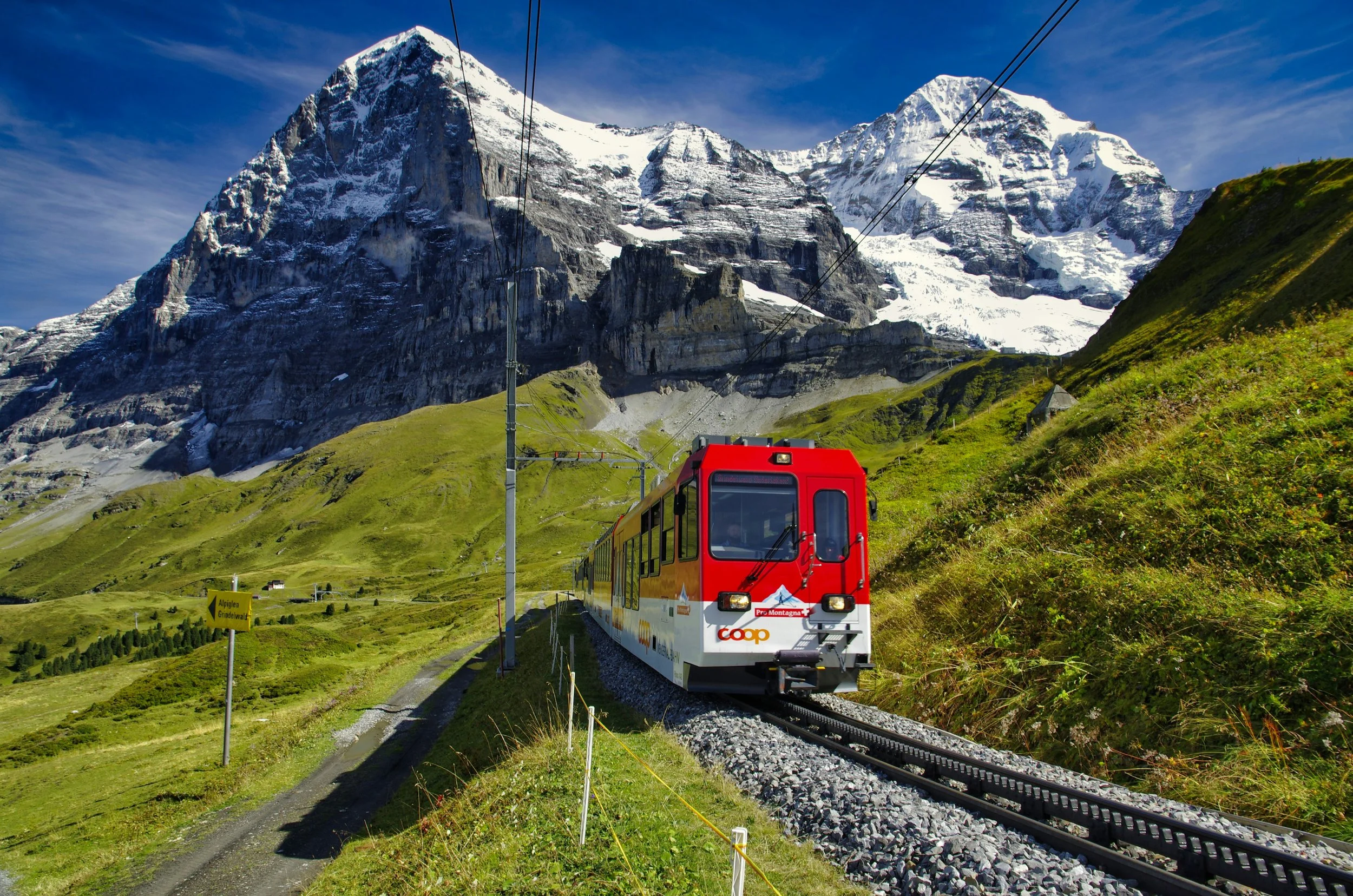
Only trains can offer this sort of experience.
They are beautiful, unpretentious, and hard-working beasts carrying people to places they have never been to or bringing weary travellers home. They are alive with things that should be seen and heard, and once aboard, it is almost impossible not to be captivated by their metronomic, pulsing rhythm.
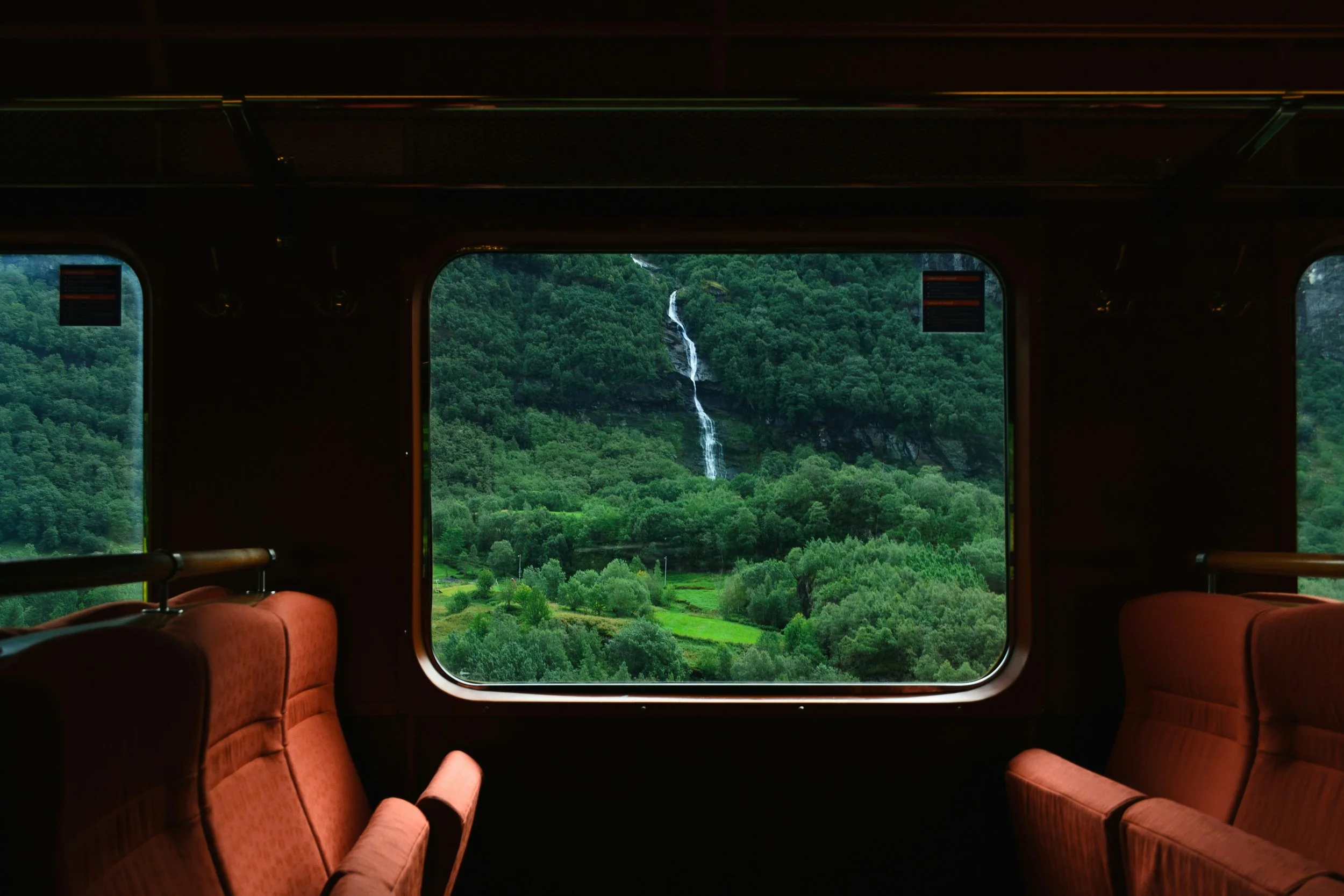
It is as if they have a life of their own, swirling, weaving, ever-moving, like a swift-flowing river heading with purpose towards the sea. They collect their cargo of people who wait patiently, inching through stations like a muddy stream. Each passenger has a purpose, arriving from somewhere or departing somewhere else.
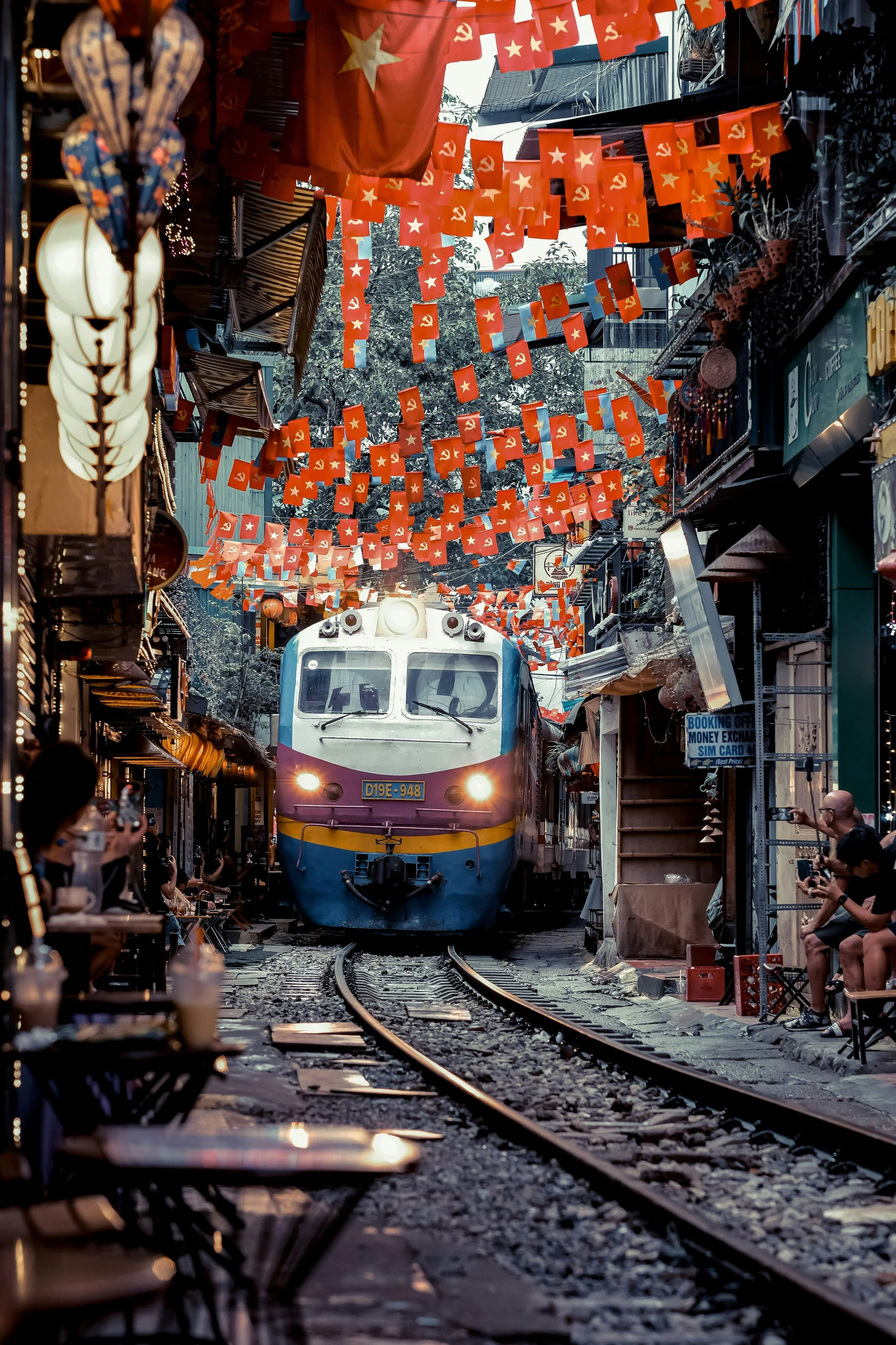
Travelling by rail is to see the world up close: everyday human beings going about their daily chores, sleepy medieval towns shrouded in mist, soaring church spires, or crossing mighty rivers on bridges that are feats of ingenious engineering.
On the Island of Java in Indonesia, rail travel is the most comfortable, fastest, and easiest way to travel in this part of the archipelago. In the east, the railway service connects with the ferry to Bali, and in the west, with the ferry to Sumatra. The rail network runs from Bandarlampung to Lubuklinggau in the south and from Medan to Tanjung Balai and Rantau Prapat in the north.
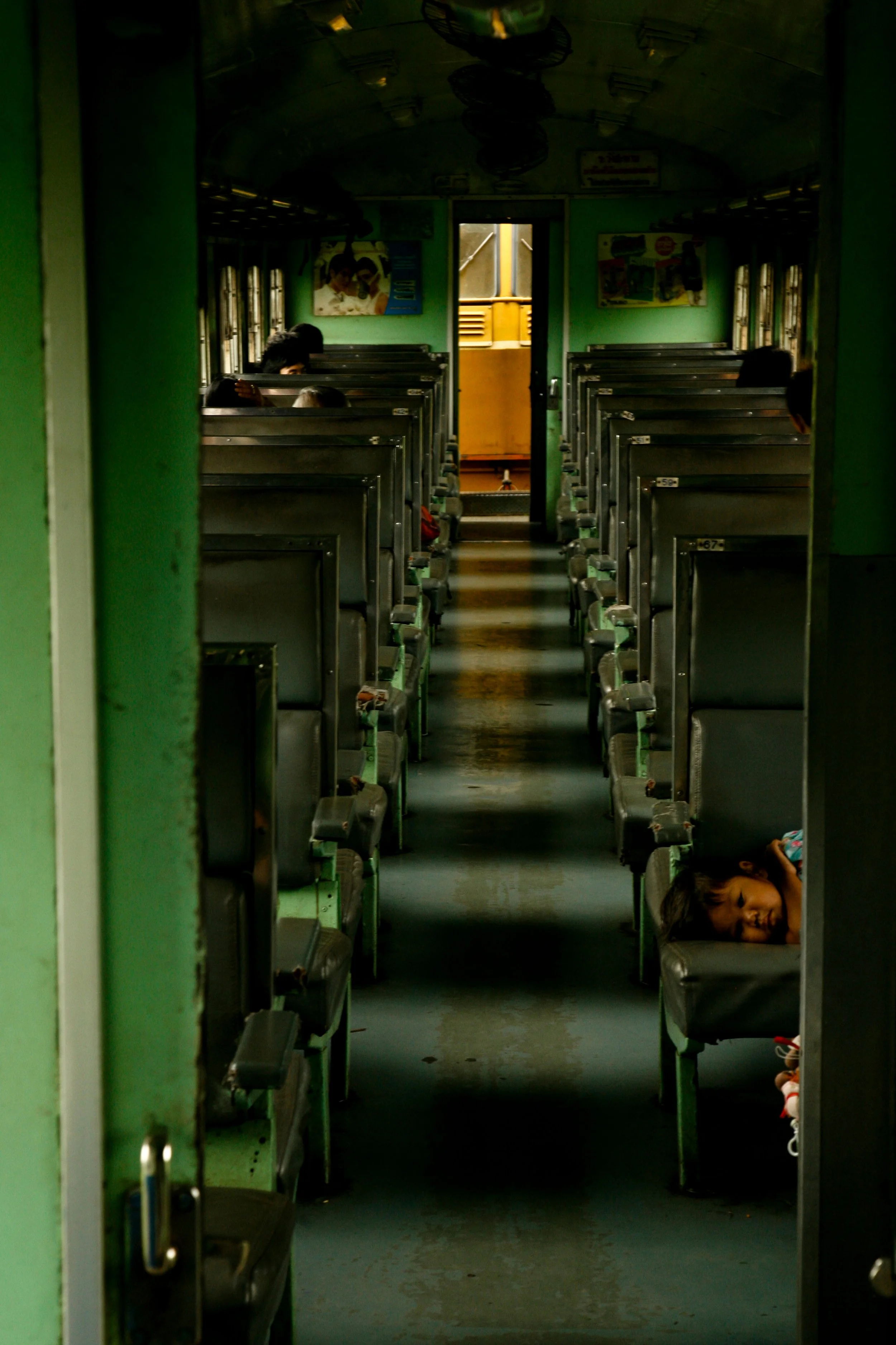
Little known by foreigners, these are undoubtedly one of the world’s most charming rail journeys.
Due to Java’s undulating terrain, locomotives travel at what can only be called a ‘sedate’ speed along a single track that weaves its way through steep, terraced rice fields tumbling down steep hillsides. The winding route passes several dormant and active volcanoes. Speeds increase once the track hits the plains, where the vast, verdant green rice paddies stretch from horizon to horizon, tended by farmers wearing conical hats toiling in the heat.
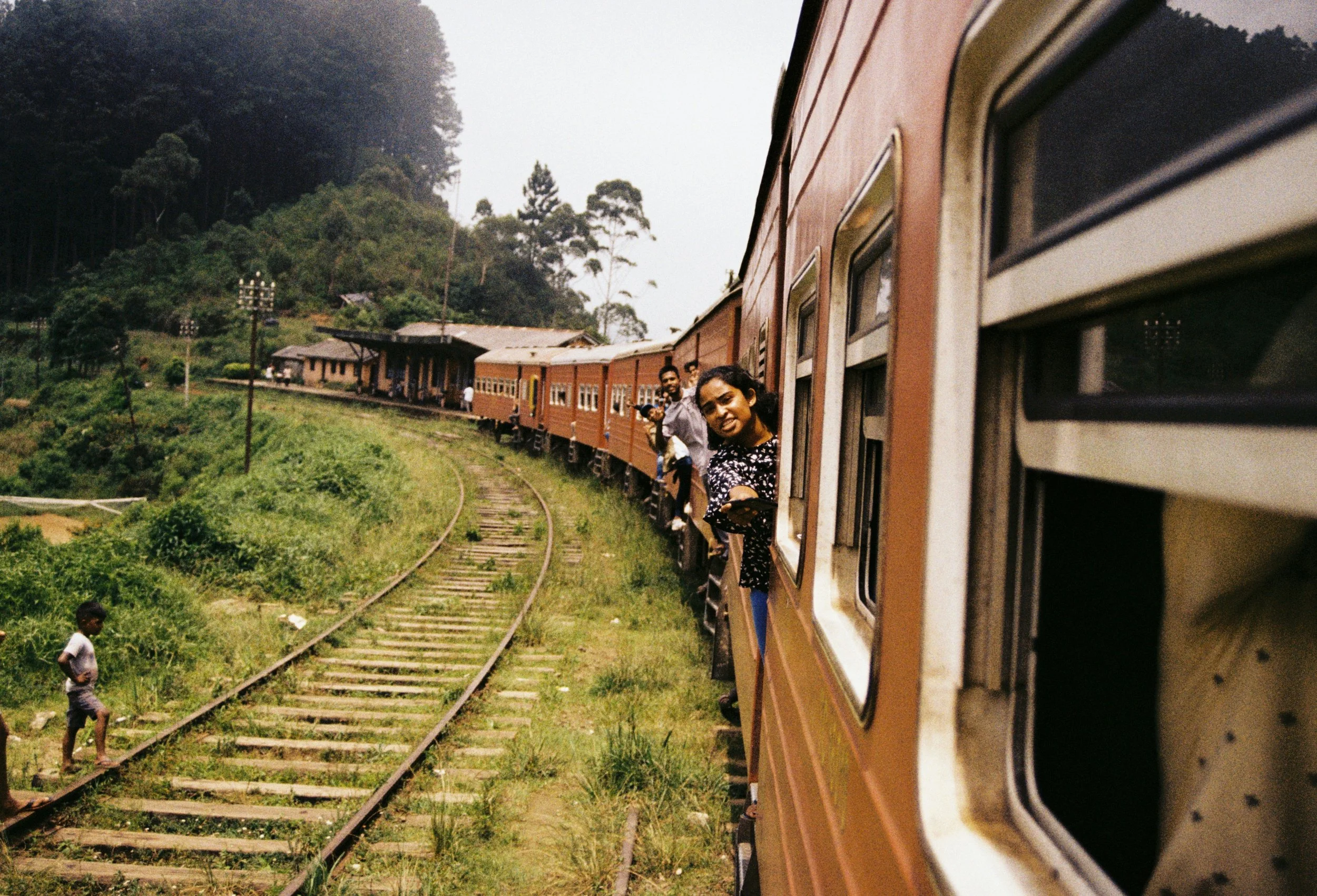
The island of Java is home to almost one hundred and seventy million souls, making it one of the most densely populated regions on the earth. Small towns and villages have, over the last century, sprung up along the train tracks, lured there to transport their harvests of coffee, rice, tobacco, fruits and vegetables to market.
What makes the journey so memorable is that Indonesia’s Archipelago sits atop the famed ‘ring of fire’, and seismic activity never seems to be that far away. A stop at Jogjakarta’s Phoenix Hotel is highly recommended as it is another example of Dutch Heritage architecture at its finest. A few miles out from Jogjakarta, the line meanders past Mount Merapi, one of Indonesia’s most active volcanoes, smouldering like a sulky child, and, every few years, it has a titanic tantrum.
In Merapi’s shadow are two of the world’s most remarkable religious monuments — the 9th-century magnificent temple of Borobudur, the world’s largest Buddhist monument, and, a mere forty kilometres away, the imposing Hindu temples at Prambanan, a sprawling complex that for centuries surpassed even the largest temples in India.
The trick to traversing Java by rail is to break one’s journey each night and stay at any one of a number of Dutch Heritage hotels. Many of these wonderful hostelries have been lovingly restored to their former glory and are the perfect accompaniment to the romance of rail travel. The Tugu Hotel is in the centre of Malang. This rambling two-story structure is a virtual museum filled to the brim with artefacts and precious artworks dating back to the early period of Dutch occupation.
On the east coast is Surabaya, a sprawling metropolis of over three million people (after Jakarta), the beating heart of commerce on the island. A deep water port plays host to fleets of inter-island Penisi sailing boats as well as a constant stream of container ships arriving and departing with holds full of cargo. It is easy to see why Java has, for 2,000 years, played a key role in the globalisation of commerce.
Surabaya played an integral part in the independence movement at the end of World War 11, culminating in a famous battle fought within the grounds of the splendid Majapahit Hotel. This historic Dutch Heritage hotel, with its unusual Art Deco portico. This hotel is a sprawling example of elegance at its best, and once inside, the noise of city traffic is replaced by the soothing sound of birdsong.
Trains will take you to all of these remarkable places, but never forget, the way you get there is one of the most enjoyable journeys you will ever take.
Paul v Walters lives on the island of Bali, and when not cocooned in sloth and procrastination, he will occasionally rise to scribble a travel piece or embark on writing a novel. His latest work, Ritual, was released in late 2025.