Mountains, MONA And Dash Of Maritime Magic: Welcome to Hobart.
Hobart takes no time at all to surprise you.
Australia’s southernmost capital isn’t some sleepy backwater—it’s a compact, walkable gem that today, punches well above its weight.
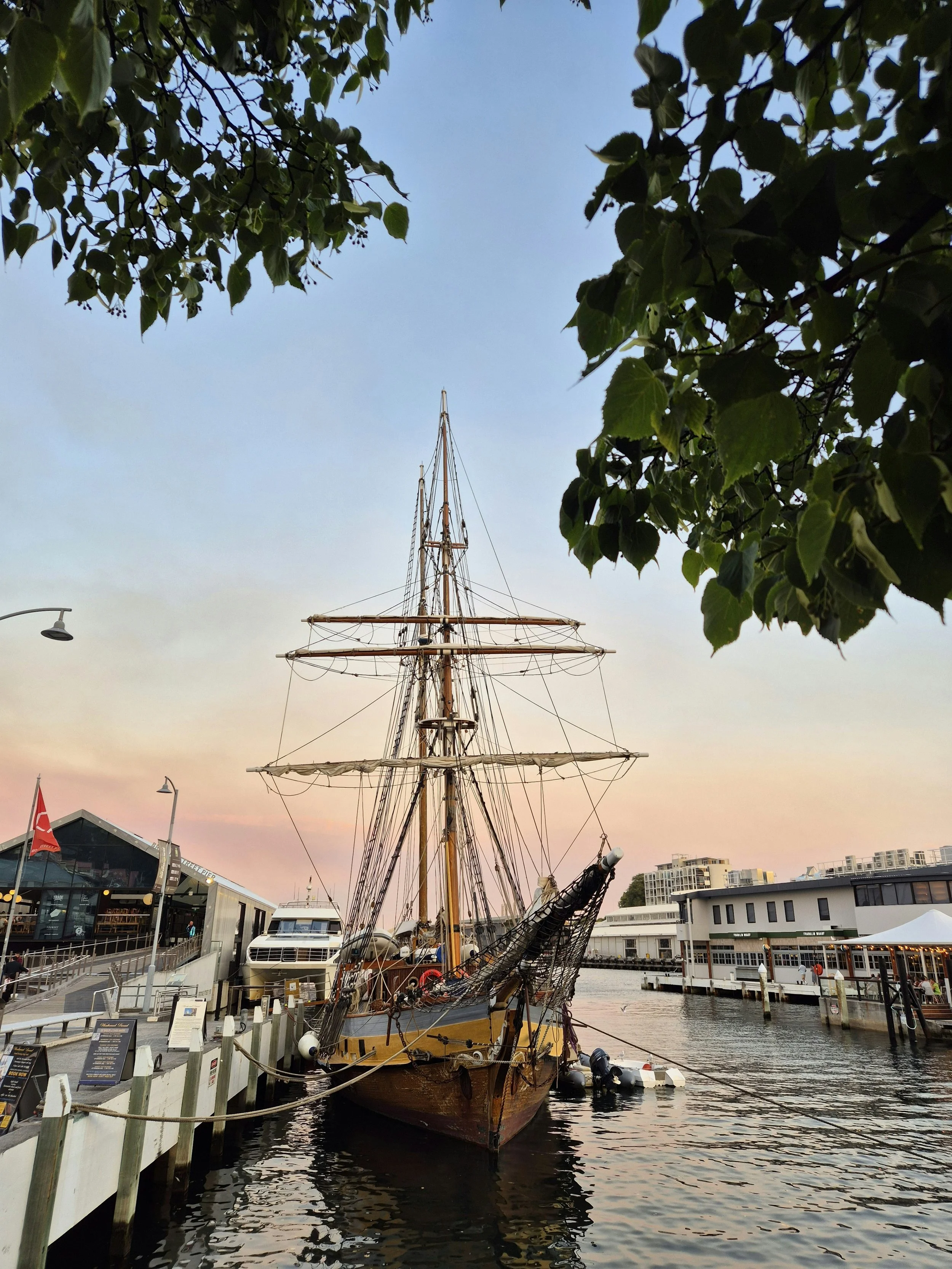
Nestled between the brooding bulk of Mount Wellington and the sparkling Derwent River, this smallish city delivers in spades on charm, history, food, and its quirky, eccentric culture. If you’re expecting a miniature Sydney or Melbourne, think again. Hobart feels more like a friendly, slightly offbeat town that grew up amid magnificent sandstone buildings, flavoured with a brilliant sense of humour.
The Mountain and the Setting
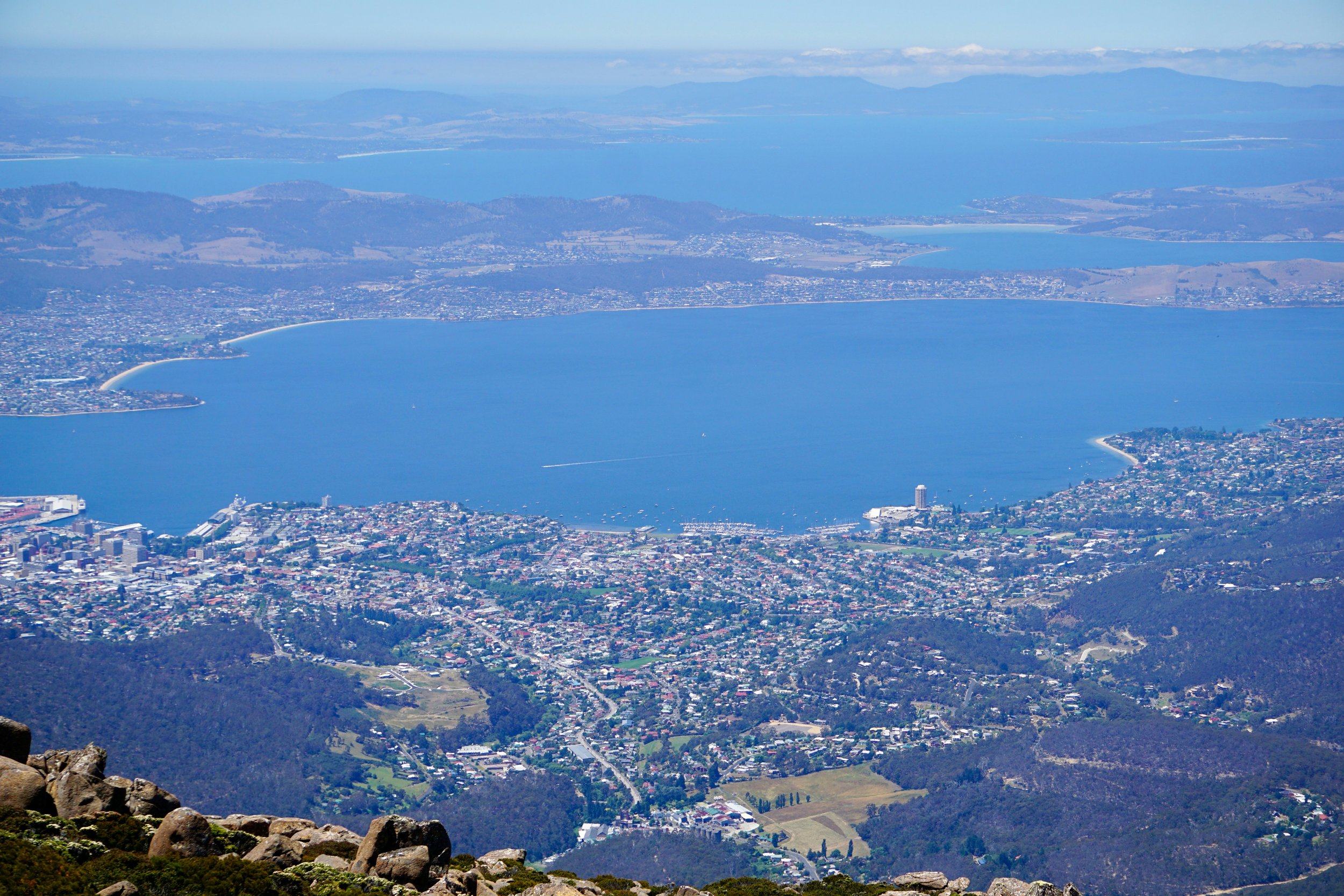
You can’t really talk about Hobart without starting with the mountain. Kunanyi/Mount Wellington (or simply “the mountain” to locals) looms large—literally and figuratively—over the city. At over 1,270 metres, it provides a dramatic backdrop that changes its mood with the weather: misty and mysterious one day, snow-dusted and crisp the next, or clear enough for jaw-dropping panoramic views across the city, river, and beyond.
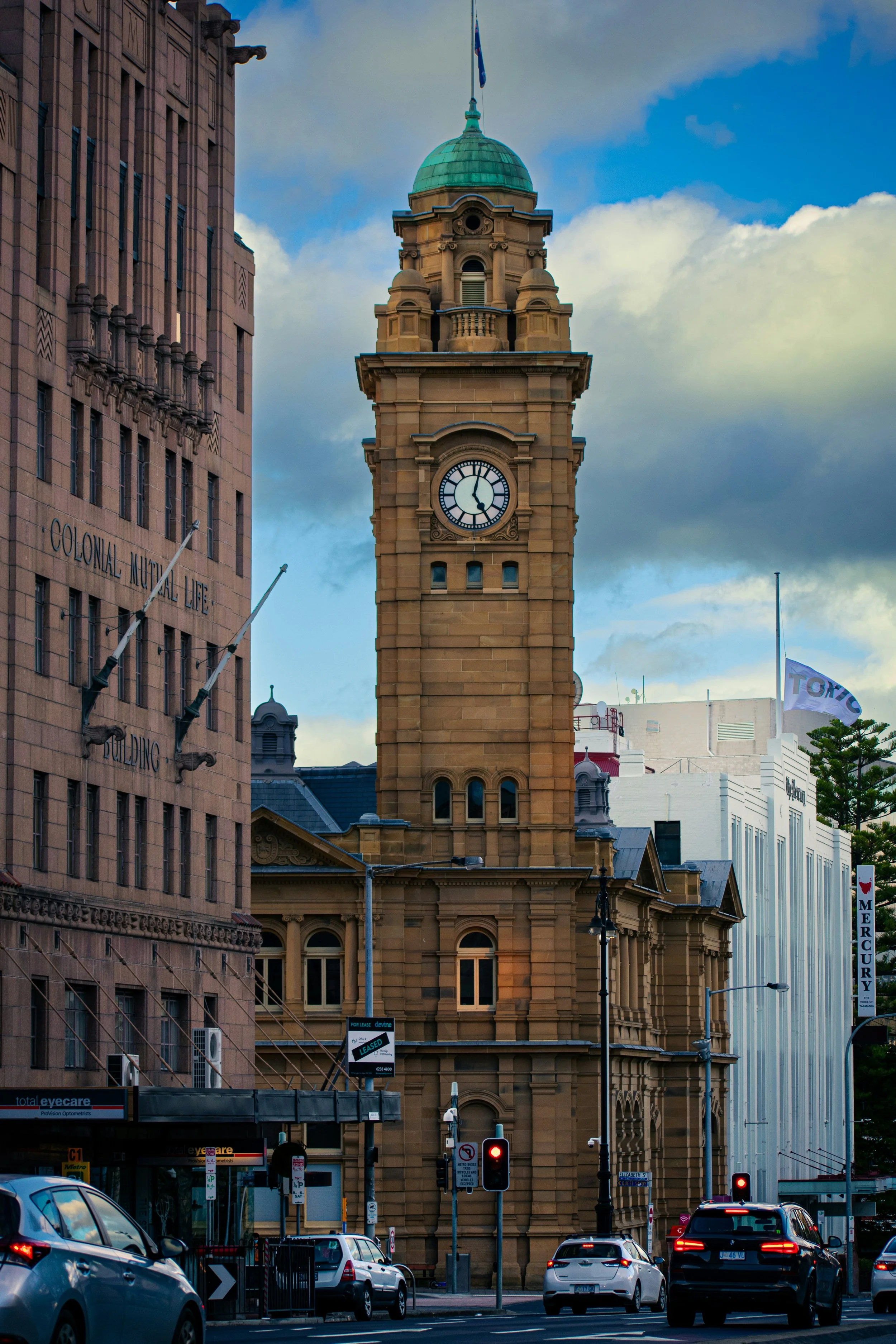
Drive or take the explorer bus to the summit for those views (wheelchair accessible options exist too). On a good day, and even if it’s not, you’ll feel like you’re standing on top of the world. Pack layers—Hobart’s weather is famously changeable, which locals turn into a running joke. “Four seasons in one day” isn’t marketing spin here; it’s Tuesday. The mountain isn’t just scenery; it shapes the city’s soul, offering hikes, bike trails, and an easy escape from urban life without actually leaving the city limits.
The city’s foundations, built by convicts, have, over the years, morphed into a splendid city full of charm
Hobart wears its history proudly, if a little cheekily.
Founded in 1804 as a British penal colony, the city was built by convict labour. Sandstone buildings, narrow laneways, and sturdy warehouses tell stories of hard labour, punishment, and eventual reinvention. It’s not grim— well, perhaps a little bit, but there’s a resilient, “we got through it” vibe that adds depth without heaviness.
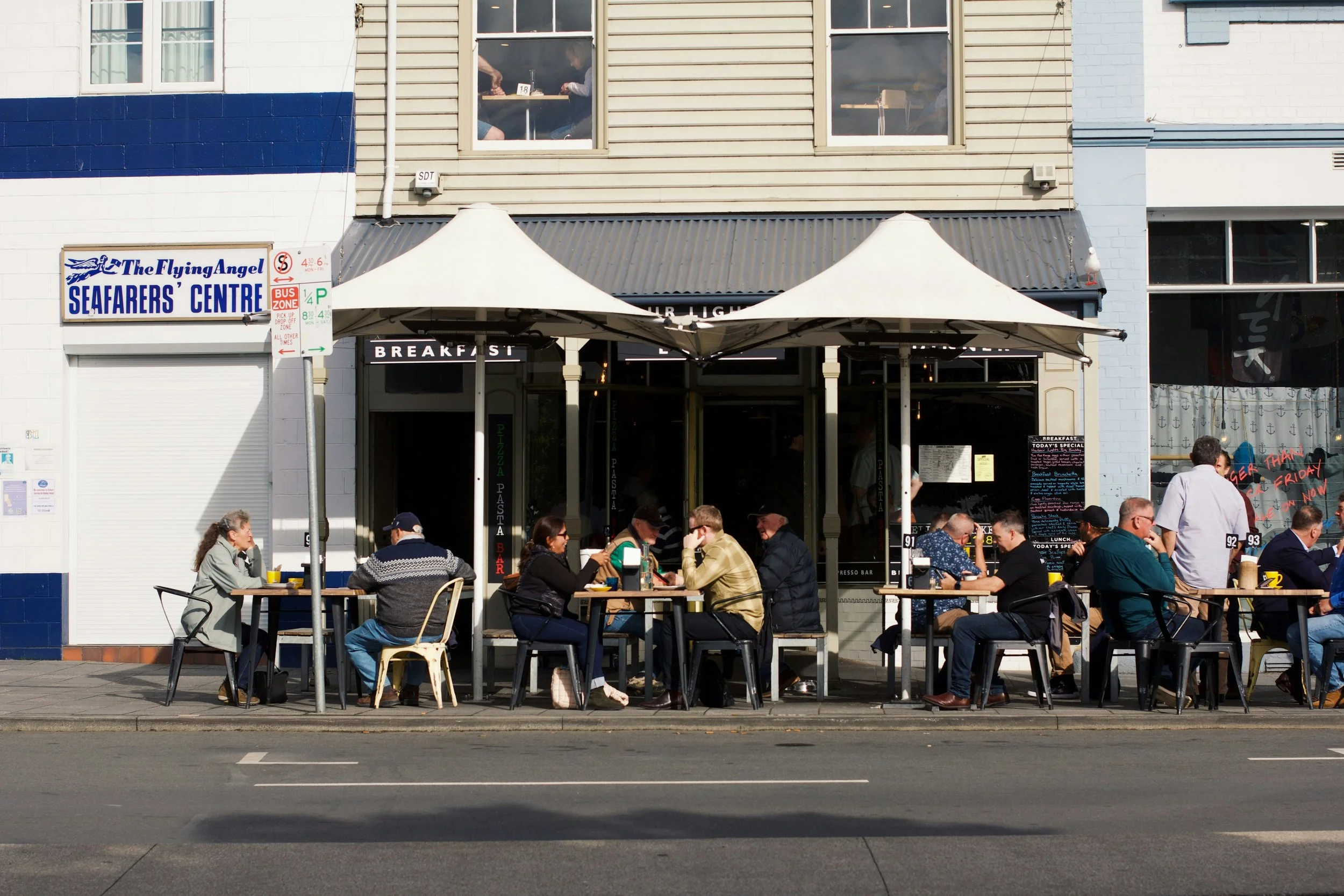
Battery Point, one of the oldest suburbs, epitomises Hobart’s charm with its cute cottages, historic pubs, and a distinct village feel. To get a feel for the history of the city, a visit to The Hobart Convict Penitentiary (originally the Hobart Town Gaol), which offers immersive tours where you can hear and see spine-tingling tales of the men and women who shaped the place. Nearby, the Cascades Female Factory—a World Heritage-listed site—brings to life the stories of over 12,000 female convicts transported here.
It’s sobering but brilliantly presented.
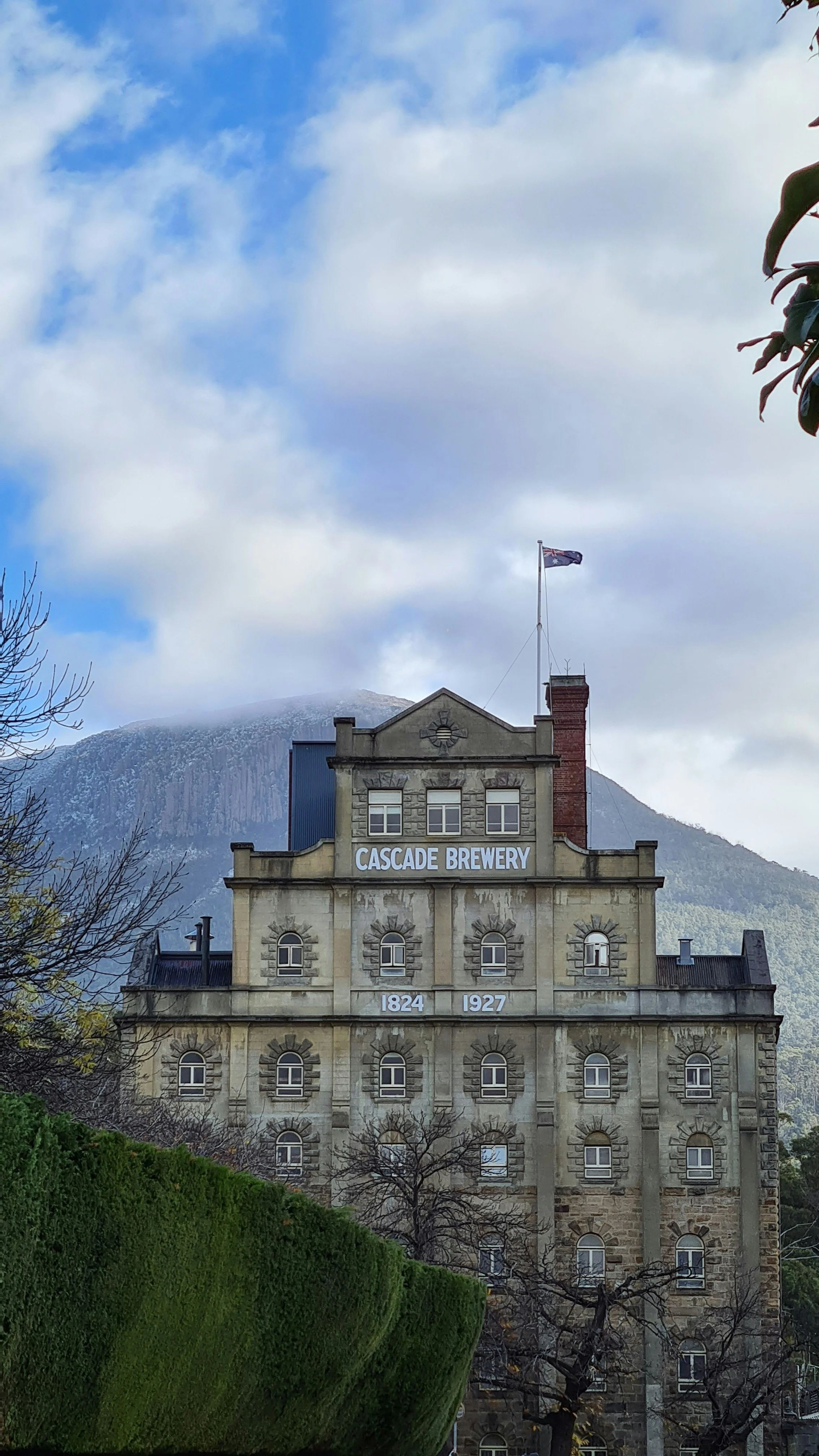
The Cascade Brewery, Australia’s oldest operating brewery (est. 1824), was also built mainly by convict labour. Its gothic facade against the mountain is pure postcard material. The pub is a testament to Tasmania’s history as the beer they serve has convict roots bubbling up through the glass.
Architecture seamlessly blends Georgian elegance with practical colonial grit. Sandstone warehouses at Salamanca Place have, over the years, been transformed into vibrant spaces for markets, shops, and eateries.
On Saturdays, the Salamanca Market buzzes with local crafts, fresh produce, buskers, and that unmistakable Tasmanian laid-back energy.
Cosy bars, restaurants, and a cracking food scene
Hobart’s size is its secret weapon for dining and drinking. Everything feels approachable, personal, and high-quality. Food on the island celebrates Tasmania’s incredible produce: fresh seafood, world-class cheeses, wines, oysters, wallaby, and foraged goodies from farm-to-table in record time.
If you’re after cosy vibes, you will find yourself surrounded by historic sandstone hostelries and intimate wine bars. Salamanca or North Hobart pubs and wine bars all seem to have crackling fireplaces, warm lighting, and the kind of atmosphere where you linger over a glass (or three). Think share plates of local seafood, hearty pub grub with a gourmet twist, or refined restaurants punching at capital-city levels without the aspirational pretension of Michelin.
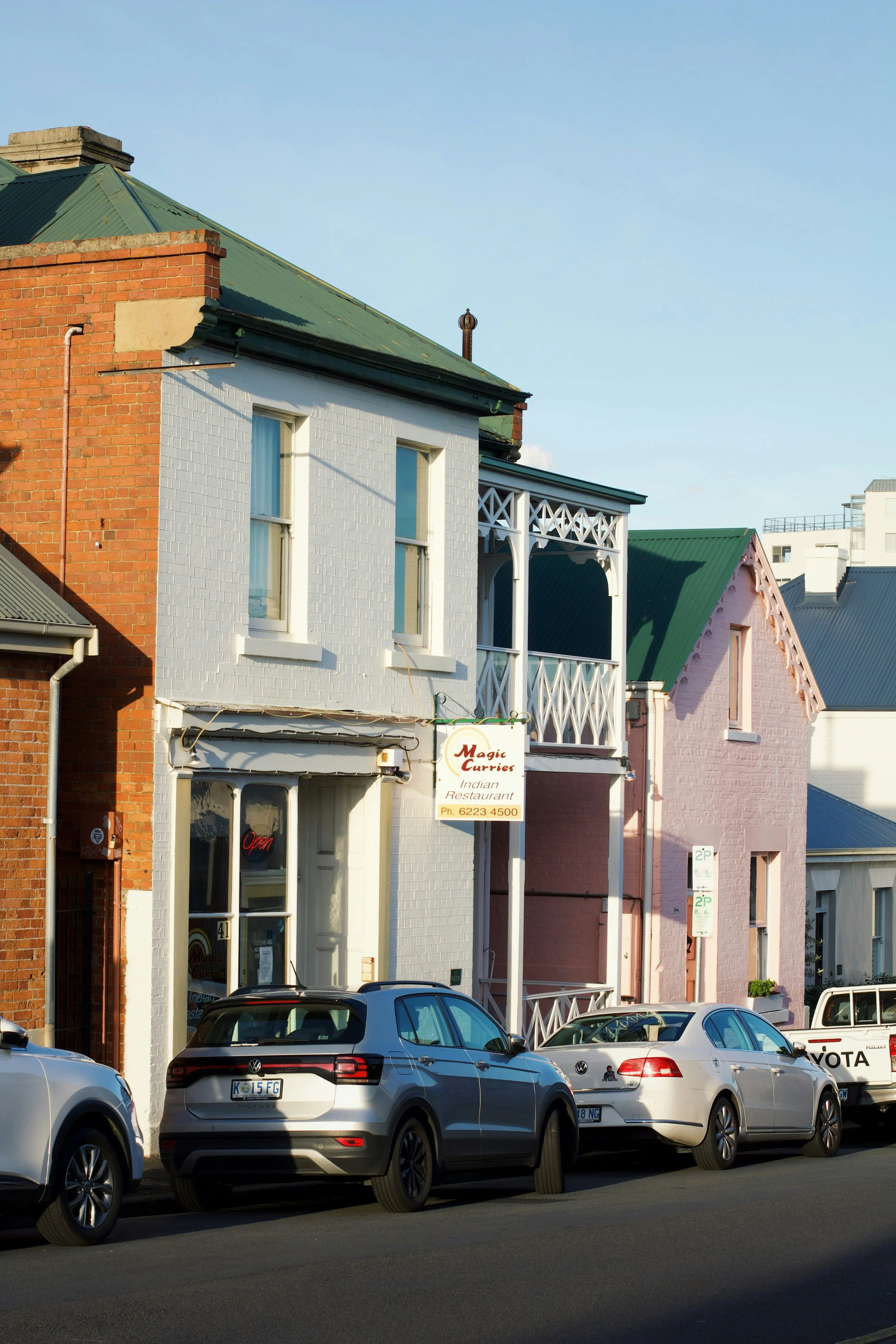
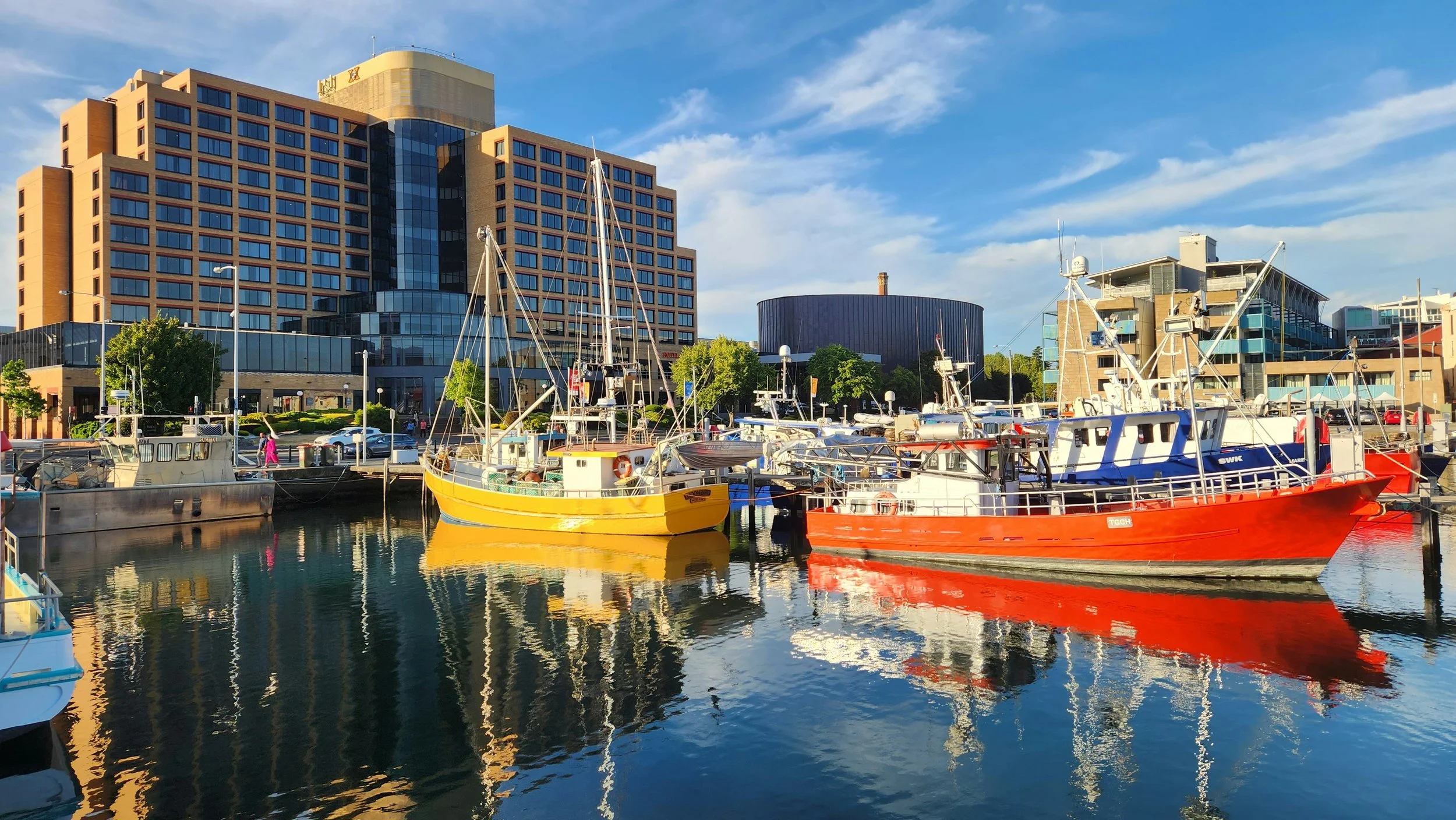
Seafood in Hobart is king. Waterfront restaurants thrive by offering straight-from-the-boat freshness where craft beer flows and where the staff might just pour you something mysterious and delicious.
Given the city’s compact nature, you can bar-hop easily and find hidden gems down laneways or in converted warehouses. It’s sophisticated yet unpretentious—the perfect match for the city’s personality.
MONA: The eccentric, Eclectic heart of modern Hobart
No visit is complete without MONA—the Museum of Old and New Art.
Be prepared; this certainly isn’t your average gallery.
As the biggest privately funded museum in the Southern Hemisphere, MONA hosts nearly 2,000 works over three levels, and is famed for its somewhat mischievous and liberal themes across all facets of the complex.
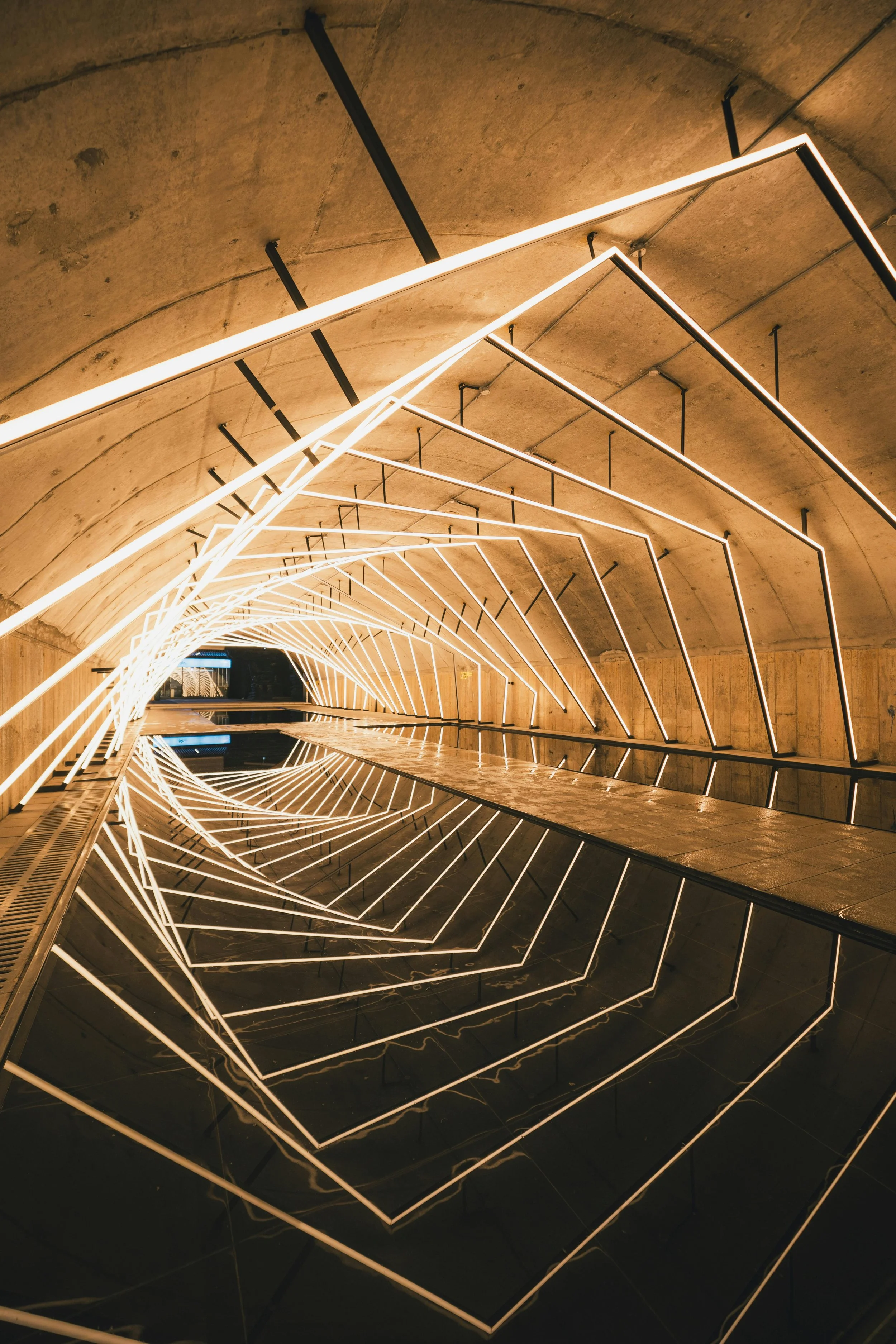
Architecturally, MONA was designed to make visitors feel like they are entering a different world. There's no set path or order for exploring the museum's rooms and displays.
Carved into a peninsula of solid granite, on the Derwent River (best reached by ferry for the full dramatic arrival), it’s a game-changer for the city.
Its founder, David Walsh, a local boy done very well, is the eccentric genius behind it. A professional gambler and mathematician who made his fortune (partly through a blackjack syndicate), built MONA to house his provocative collection of ancient and contemporary art. He calls it a “subversive adult Disneyland.”
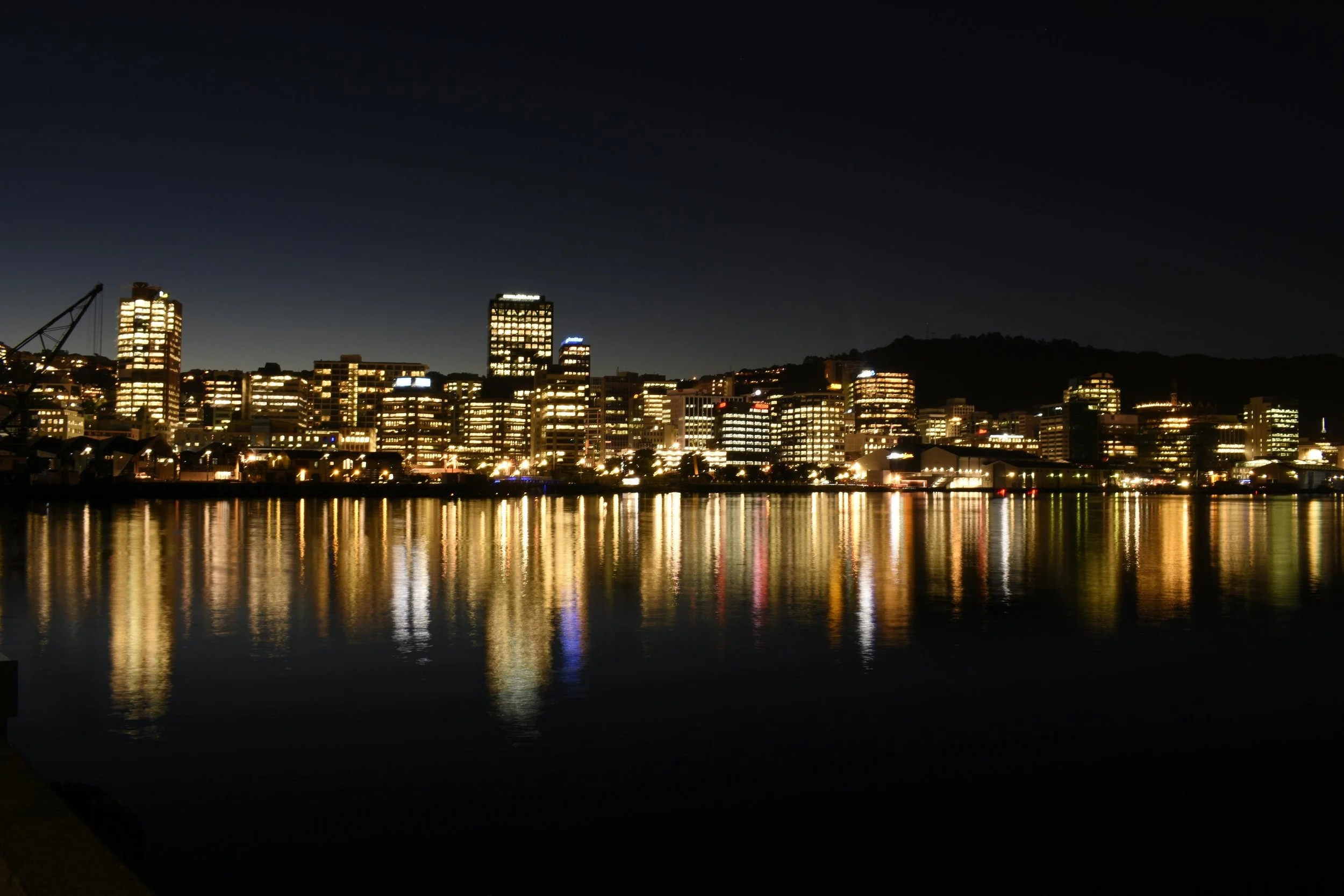
Themes of sex and death feature heavily, alongside cheeky, thought-provoking, sometimes shocking installations. One exhibit might have you contemplating an ancient artefact, the next staring at something wildly modern or interactive.
Walsh’s irreverent humour permeates the place—from the labels to the overall vibe. It’s fun, challenging, and utterly memorable. Scattered throughout the galleries, nestling cheek by jowl alongside priceless exhibits, cosy lounges allow patrons to sip champagne while admiring the artworks.
Walsh’s other exploits is Dark Mofo (the winter festival of lights, music, and dark arts). Both MONA and the Mofo festival didn’t just put Hobart on the cultural map; it supercharged its tourism and creative energy.
Whatever you take away from this cultural experience, you certainly won’t forget it.
Why Hobart wins you over
Perhaps what makes Hobart special is its unique balance.
In one day, you can hike the mountain, explore convict history, devour incredible food, and confront cutting-edge art. The small-city scale means people are friendly and the pace is human. There’s no rush, yet there’s always something interesting around the next corner.
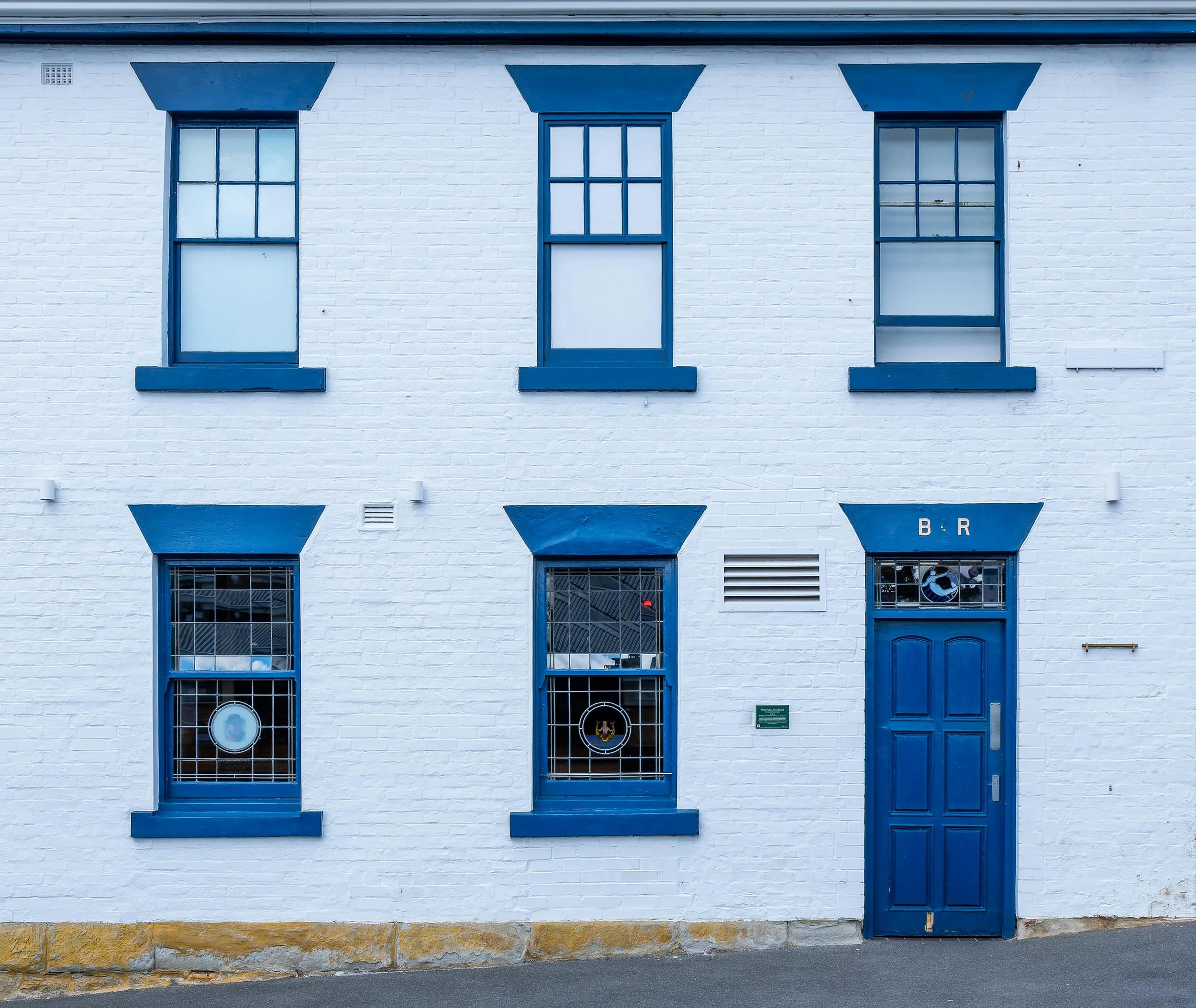
It’s got that rare combination of natural beauty, layered history, creative spark, and culinary talent—all wrapped in a charming, slightly self-deprecating package.
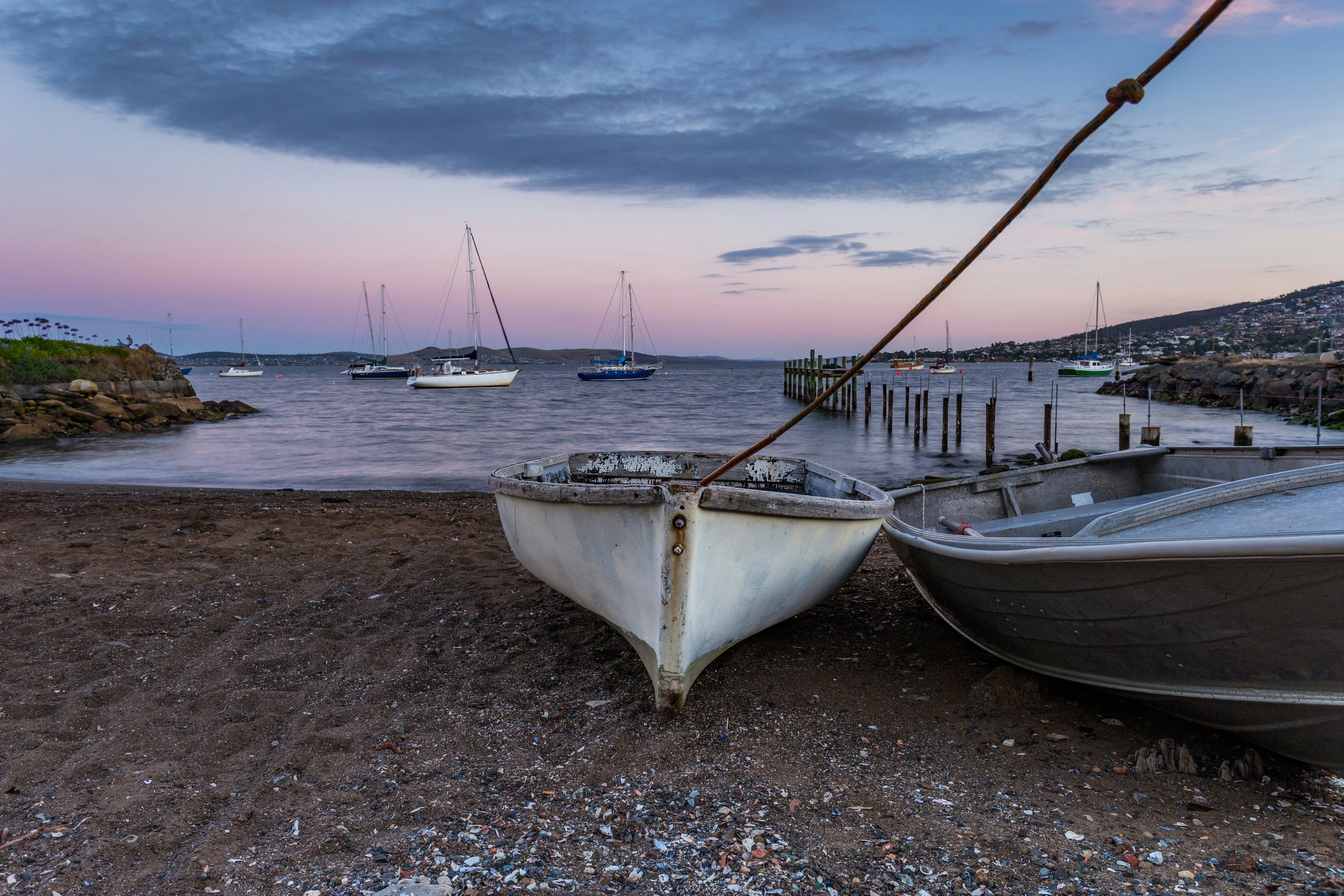
Visitors arrive thinking “it’s nice,” and leave plotting their return. Whether you’re chasing oysters and a fine bottle of Pinot, soul-stirring views, or just a cosy pint in a convict-built pub with mountain views, Hobart delivers with a wink and a story or two..
Pack comfortable shoes, an open mind, and a hearty appetite …you will need all three
Paul v Walters is a novelist and travel writer. His latest offering, RITUAL,
recently launched at the International Ubud Writers and Readers Festival, is now available across all sites. When he is not coccooned in sloth and procrastination in his house in Bali, he occasionally rises to scribble a piece for several international travel journals