Beyond The Horizon. The Dystopian Wilderness Of The World’s Oceans.
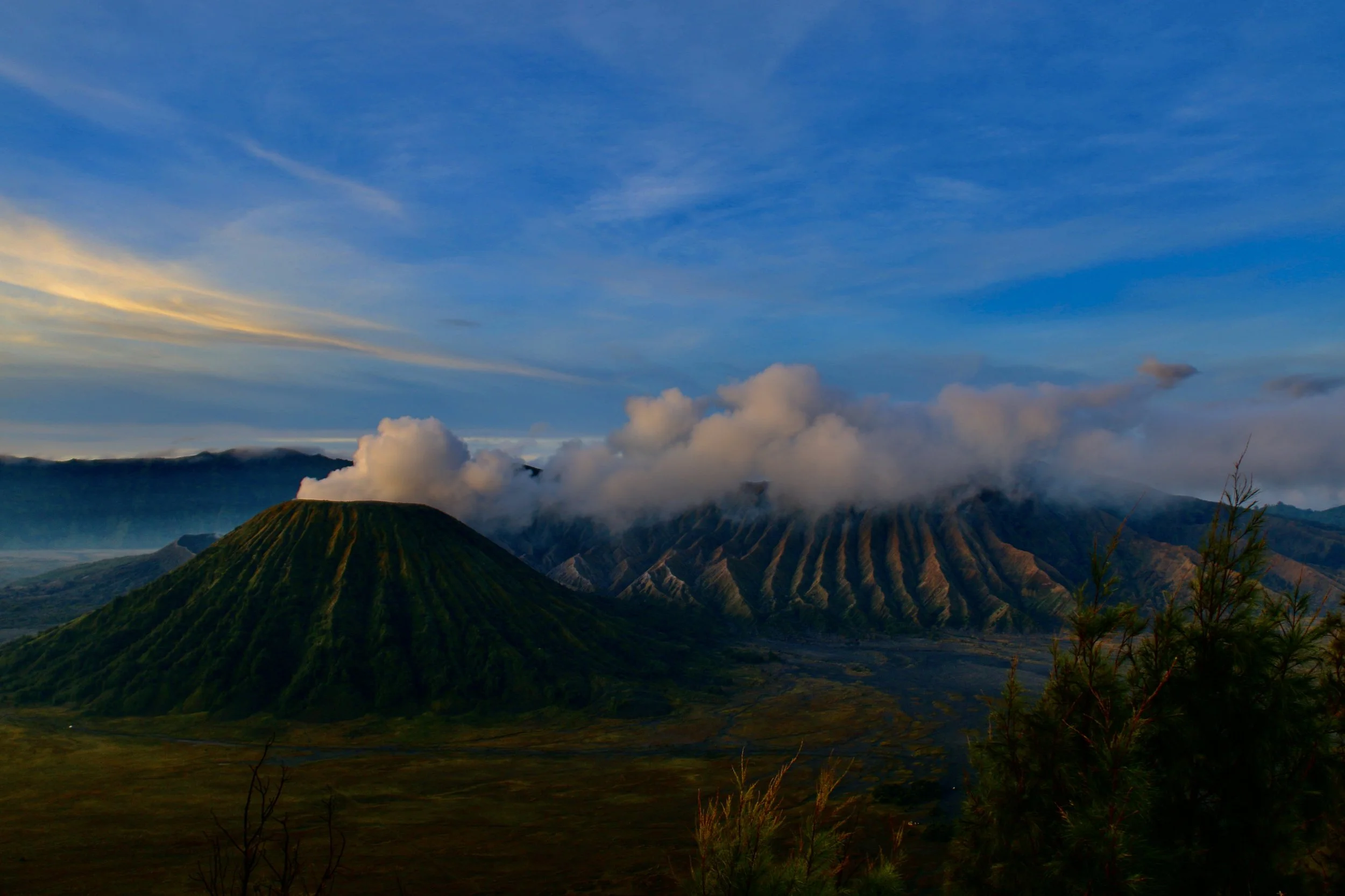
On those days when I wake early enough, my morning ritual is to head to the beach, and if I time it just right, I will arrive to witness yet another spectacular sunrise.
It never fails to disappoint as the slow ascent of a giant orange sun illuminates these tropical waters, bathing them in a kaleidoscope of ethereal colours.

Without fail, it is always majestic.
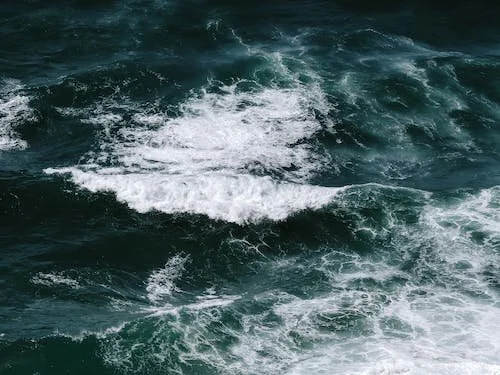
And yet, I know that just beyond the horizon exists an ocean which is, in many ways, a wild, dystopian wilderness, for, out of sight of land, it harbours a plethora of unimaginable dark humanities.
That immense, watery desert, so beautiful from shore, can be a lawless place 'out there’. The laws and checks and balances that apply to us on land are pretty much non-existent and are as fluid as the ocean itself.
Today, technology and the internet allow us to travel to any place on the planet, accompanied by our phones packed with information, enabling us to discover areas of the world that were always hidden.
However, when it comes to the vast watery plains of the ocean, it is still very much a place of mystery.
It’s astonishing to think that fifty per cent of the world's population lives less than one hundred kilometres distant from the sea, as human beings have always been drawn to it like moths to a flame.
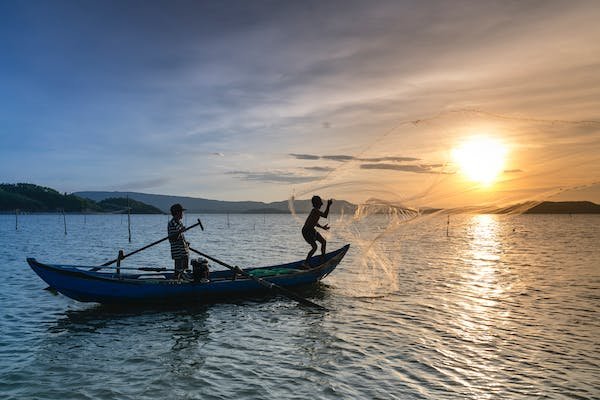
Over sixty million people ply the oceans around the world at any one time, earning their living working on fishing boats. Another two million souls ply their trade working aboard freighters, cruise ship liners, oil tankers and any of the thousands of merchant ships endlessly crisscrossing these watery desserts.
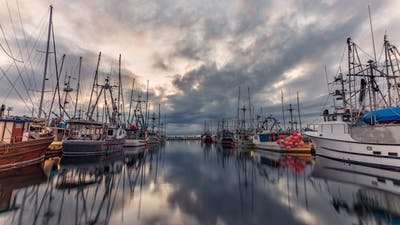
Often, from my vantage point on the beach, I see a steady stream of merchant vessels carrying cargo hither and thither, bound for any of the 17,000 islands that make up this magnificent archipelago. These hard-working vessels carry as much as 90% of the goods we greedily consume, arriving from far-flung places across the globe, some of which we’ve never even heard of.

Last year, I worked on a project for a large fishing conglomerate based in Portland, Maine, which has, for many years, conducted much of its trade in the warm waters of Southeast Asia. An often-overlooked statistic is that the USA imports over 94 per cent of its seafood, which is astonishing given the size of America’s coastline.
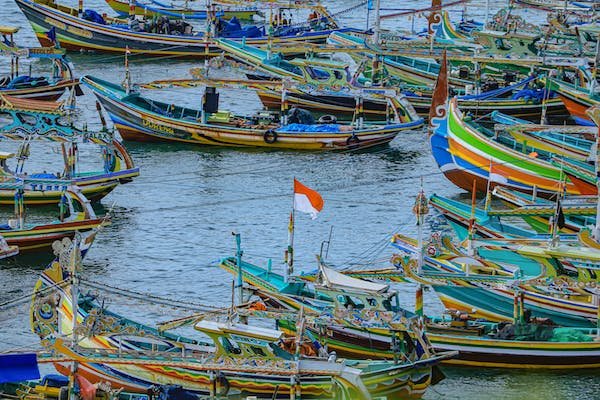
The reason for America’s offshore expansion is that its coastal waters have been severely depleted after decades of overfishing by too many fleets catching too few fish, leading offshore companies to harvest fish from the waters of Indonesia, Thailand and Vietnam. Perhaps one good thing to come out of this pivot towards S.E. Asia is that, on the surface, most companies are implementing measures to ensure their catches are harvested responsibly and ethically.
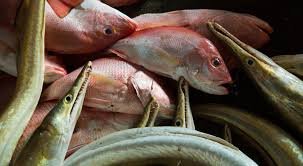
There are laws that govern the oceans.
However, the real problem is the lax enforcement of those said laws. On land, any country's borders are sacrosanct, but at sea, boundaries are less clear and more often ignored, making poaching easier for many marauding fishing fleets.
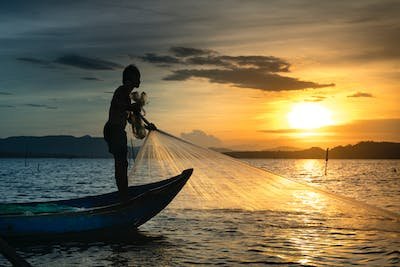
The upshot of this is that one in every five fish, or roughly twenty per cent of all fish that arrive on a dinner plate, is more than likely been poached! And we dont mean cooked! Given that the trade in illegal fishing is worth in excess of twenty billion dollars per year, stamping it out is an impossible task. These illegal fishing activities worldwide have become so rampant that most of the world's fish stocks are in crisis. If that is not enough, it is estimated that by 2050, there will be more plastic waste by weight floating in the oceans than there are fish !!

Our oceans are becoming increasingly depleted and polluted, partly because governments lack the resources, manpower, or inclination to protect them.
Add to these woes is the appalling treatment of indentured fishermen who live and work on board, often living and working in n atrocious conditions for months on end. Governments and the communities from which these fishermen come are aware of the problems, but the sheer vastness of the oceans makes it difficult to chase down the captains and the owners of fleets who flagrantly disregard the laws of the seas.

Of those boats apprehended by authorities and charged with the mistreatment and cruelty inflicted on the crews are unfortunately few and far between. The young men and often boys sometimes reluctantly speak up, but most are fearful of the repercussions that might befall their families back home, who are likely to be targeted by unscrupulous recruiters to whom the fishermen are indentured.
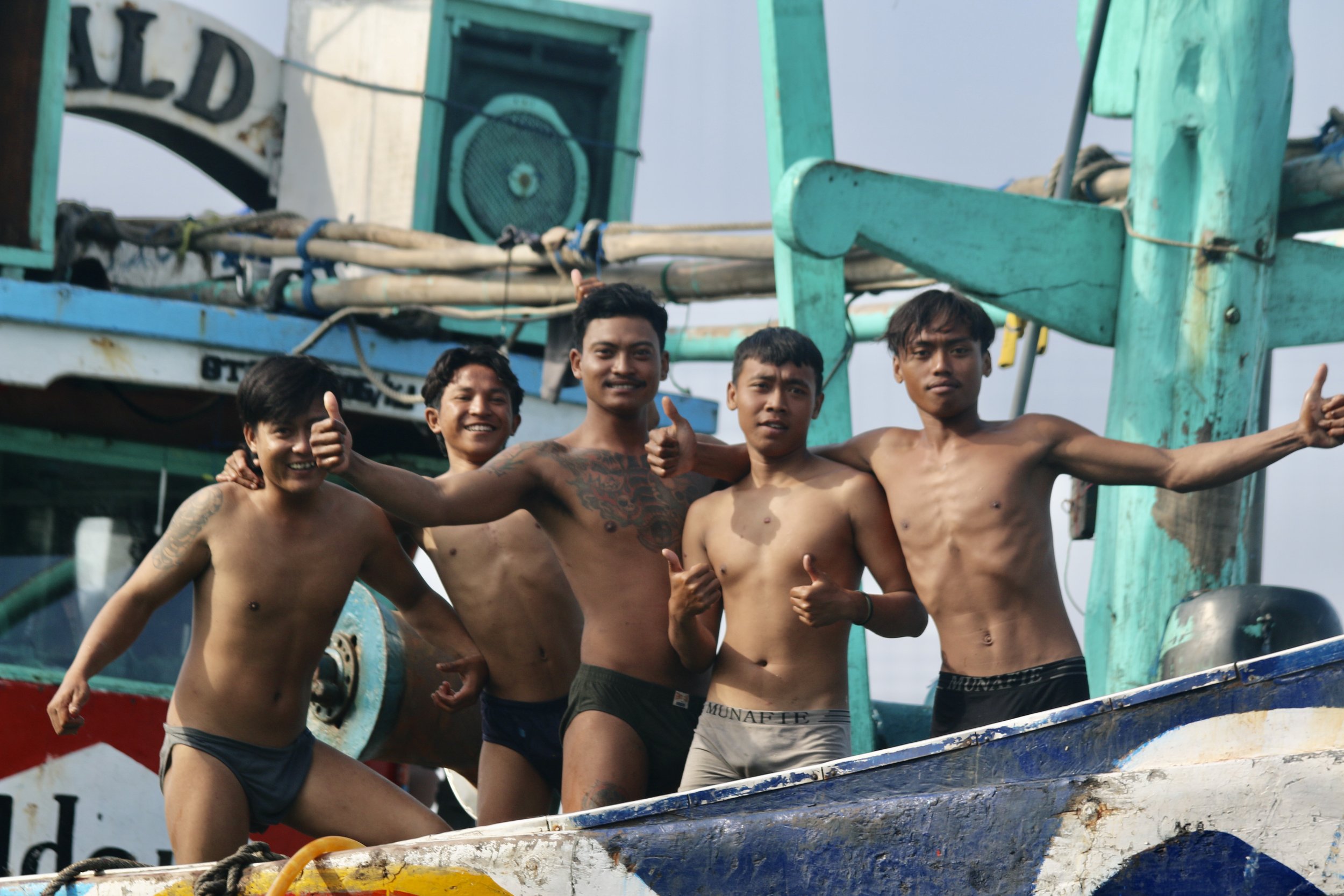
These hard-working seamen are technically slaves, often treated no better than animals. Food on board usually consists of fish and weevil-infested rice, barely drinkable water, shared toilets without running water and sleeping quarters alive with cockroaches.
The crew is expected to work up to eighteen hours a day under draconian captains who dock their meagre wages if they work too slowly. These are hardly isolated incidents, as, out of sight of land, human rights and working conditions can be appalling, akin to a system of modern-day slavery.

On my journeys to some of the larger fishing ports in Java, Sulawesi, and Bali, I did find that foreign and larger local seafood companies and producers have begun working together to improve on-board conditions for crews. In addition, most vessels are closely monitored to ensure that their catches conform to international standards, such as returning undersized fish back to the ocean.

There is hope that the industry will recognise that if current practices continue at the current rate, there will soon be no fish left to harvest.
International watchdogs are doing their best to ensure that all vessels are equipped with tracking devices that monitor their journeys and to check that their catch is not poached from protected waters.
Thus, the larger fishing companies and producers will need to police their local fleets by adopting sustainable quotas and creating transparent supply chains from 'boat to throat'.
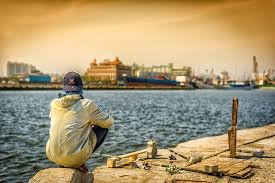
It is a game of inches, but they can make a difference one village at a time, one fisher at a time, one fish at a time.
Again, we can only hope.
Updated Bali, Indonesia, September 2026
My thanks to Ian Urbina, whose excellent book, The Outlaw Ocean, provided much of the inspiration for this piece. Also, to Jerry Knecht, who has educated me in the ways and means of the fishing industry in S.E. Asia over the past couple of years.
Paul v Walters is the best-selling author of several novels and an anthology of short stories. His latest offering is RITUAL, launched at the International Ubud Writers and Readers Festival in late 2025. When he is not cocooned in sloth and procrastination in his house in Bali, he occasionally rises to scribble for several International travel and vox pop journals.